






In Queens, Hochul Hears From Asian Business Owners on Costs and Immigration Fears

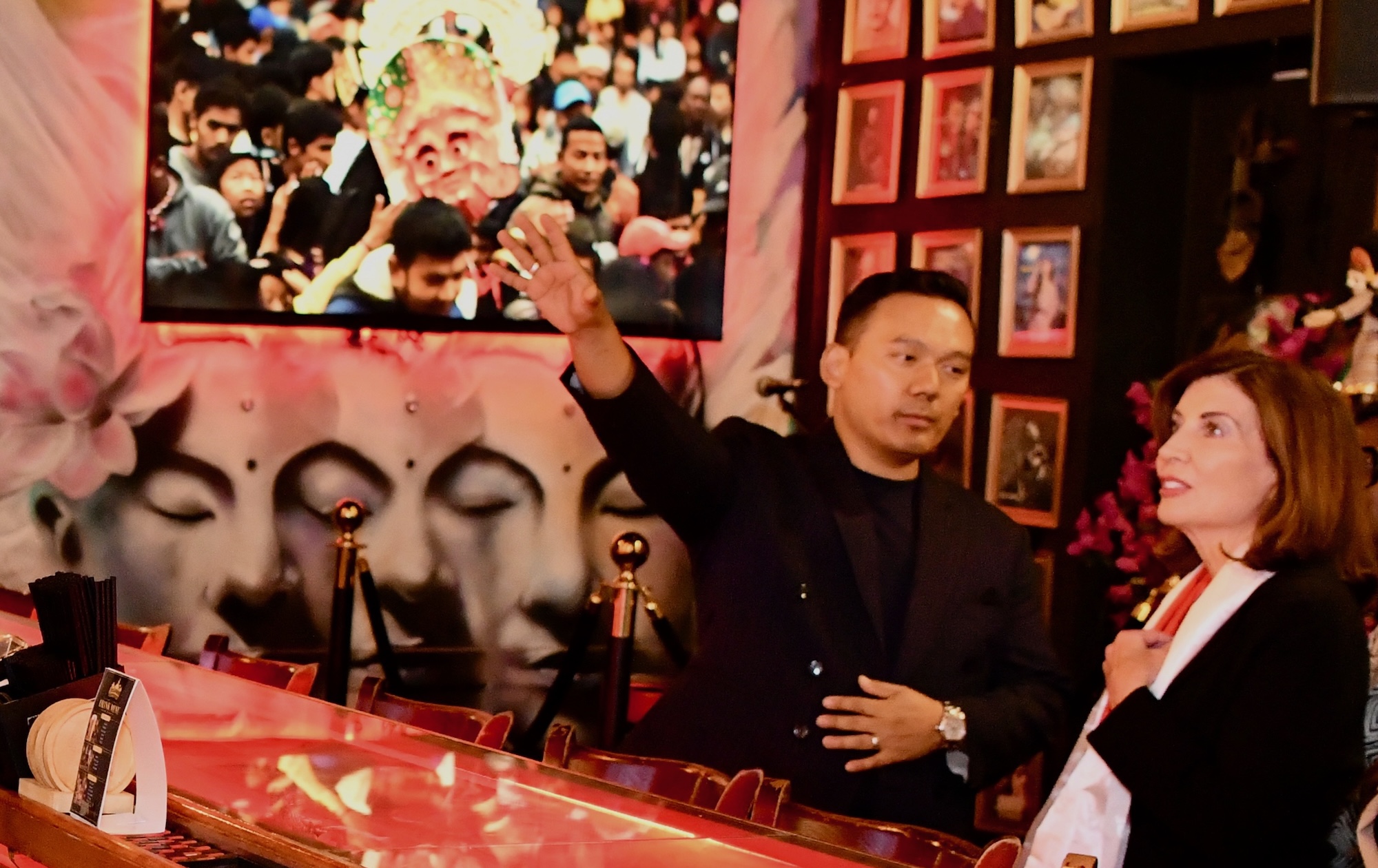
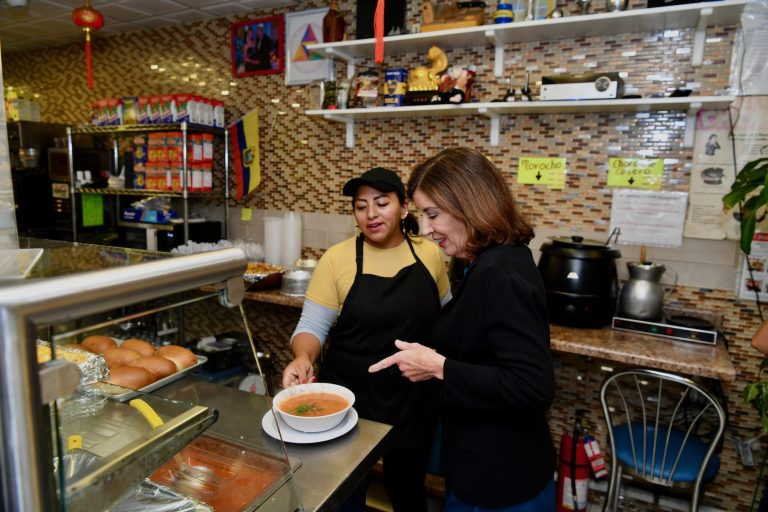
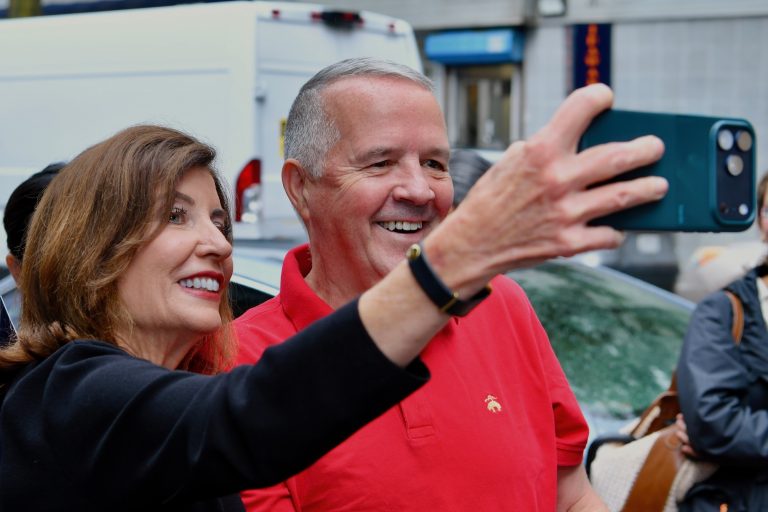
A local business owner talks with Gov. Kathy Hochul during her community visit to Jackson Heights and Woodside, Queens. Photo by Rajan Kafle for NepYork.
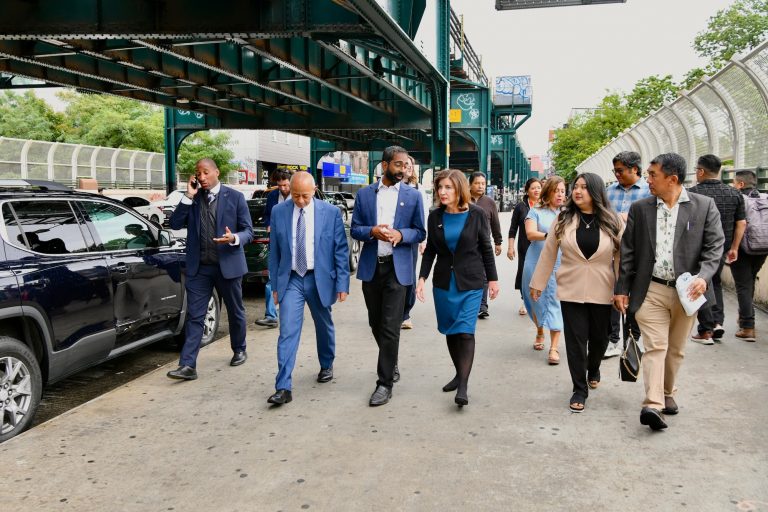
NEW YORK — Gov. Kathy Hochul visited Asian-owned businesses and met with small-business owners and immigrant community members in Jackson Heights and Woodside, Queens. During the visit, community members described rising operating costs, fears surrounding immigration enforcement, and the emotional toll of crises affecting families abroad.
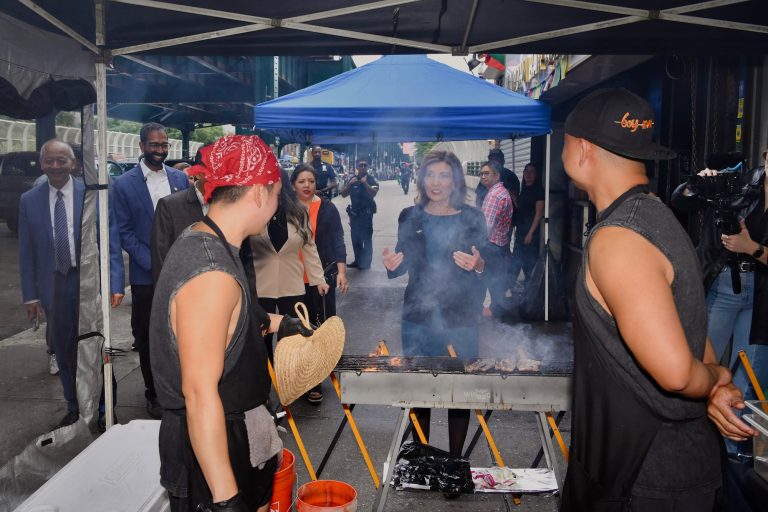
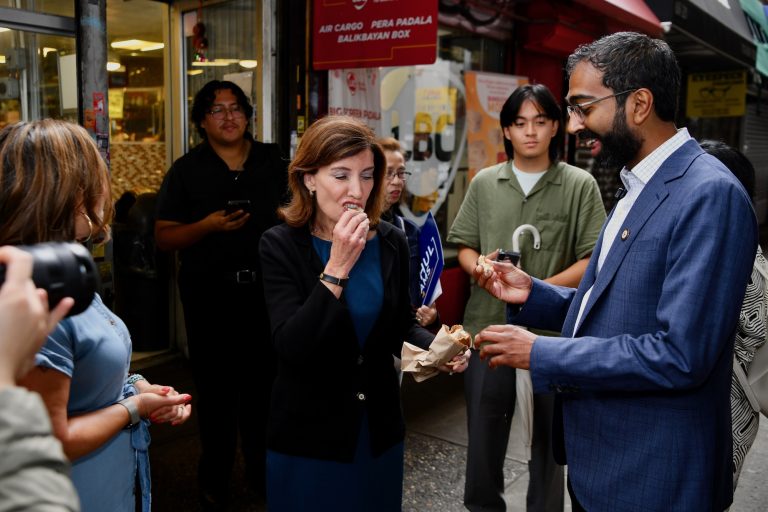
During the neighborhood visit, Hochul stopped at several Asian-owned businesses, including Cafe Catmandoo in Jackson Heights and Kasthamandap Restaurant & Bar in Woodside, two Nepali restaurants that serve as gathering places for members of the local Nepali and South Asian communities.
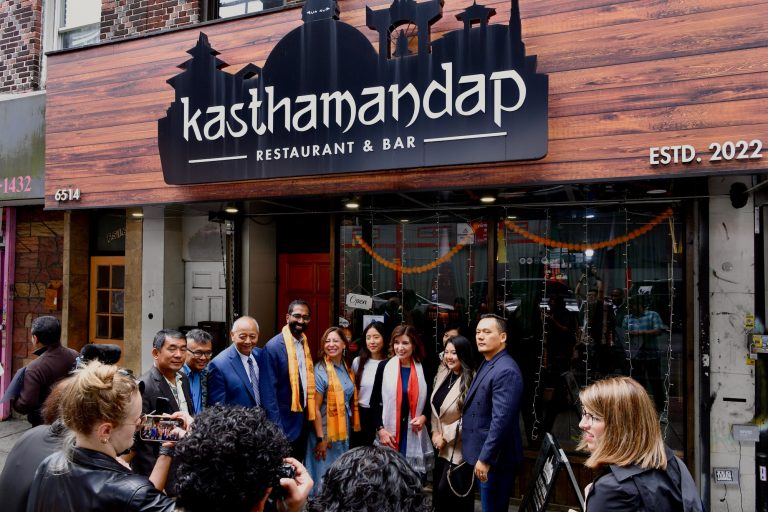
Hochul also met with other Asian business owners in the neighborhood to hear concerns about rising food, fuel and delivery costs, as well as the effects of immigration fears on customers, employees and community events.
At Cafe Catmandoo, Hochul spoke with business owners and community members about the challenges facing neighborhood businesses and immigrant communities. She said the state would continue supporting small businesses and immigrant communities as owners confront higher operating costs and residents report fears about attending in-person events, court appearances and other routine activities.
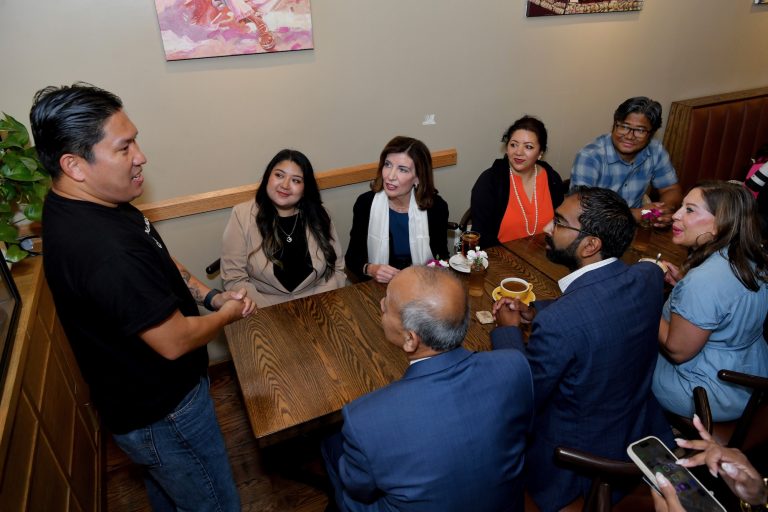
Business owners said higher food, fuel and delivery costs have made it increasingly difficult to operate restaurants and other neighborhood businesses without raising prices for customers.
“You’re just getting hit so hard with that because you wouldn’t want to pass it on to the customers,” Hochul said, describing the current environment as a “very challenging business climate.”
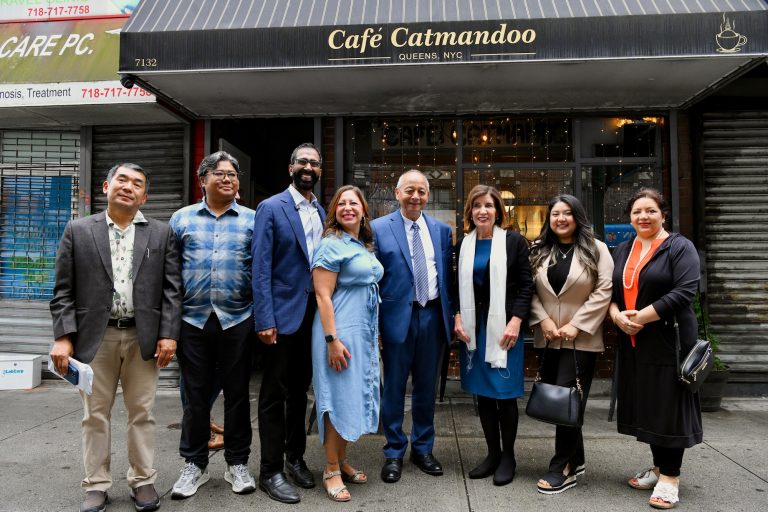
The governor said the state and city should do what they can to support neighborhood businesses. She called Cafe Catmandoo a model community business because of its participation in local events and fundraising efforts, including relief activities connected to devastating floods in Nepal.
“We’re here to support you, and we’ll promote the story of this wonderful place,” Hochul said.
The Disaster That Reached Queens
During her visits, several Nepali community members described the impact of flooding and landslides in Nepal on families in Queens and elsewhere in New York. Community members spoke of relatives who were missing, displaced or killed, including people who had been traveling for religious pilgrimages.
One community member said a Queens resident had brought his parents to the United States shortly before the disaster, while other relatives in Nepal were affected by the flooding. Another community member described a family with eight relatives who remained missing.
A community representative said a fundraiser organized with a Nepali association displayed photographs of people who had gone missing. The representative also described a case involving a person who had been deported from New York and later died in Nepal.
Hochul called the accounts “heartbreaking” and said the stories underscored the continuing trauma experienced by immigrant families with close ties to Nepal.
When Fear Enters the Courtroom
Immigration attorney at the gathering said many immigrant New Yorkers are afraid to attend immigration court hearings in person because of concerns about possible detention by Immigration and Customs Enforcement.
One attorney said clients increasingly request virtual court appearances and, in some cases, refuse to attend hearings because they fear being detained. The attorney said people who fail to appear can receive removal orders in absentia.
Community members also described a case involving a seriously ill immigrant who they said was detained after appearing at an immigration-related proceeding and later deported to Nepal. They said he remained hospitalized and faced costly medical care while his family in the United States and Nepal struggled with the consequences.
Hochul said family separation and fear of immigration enforcement have destabilized communities and affected local businesses.
“No one should ever be afraid of walking in that door and fearing that someone from ICE is going to wait when they walk outside the door,” Hochul said. “It hurts the businesses, and we want them to be prosperous.”
Community members said fear has also reduced attendance at community programs, legal clinics and cultural events. A representative of the Minority Empowerment Network said some immigrants have preferred online “know your rights” workshops rather than attending in person because of anxiety about potential raids.
Hochul said she had heard similar concerns in other immigrant communities and said people should not have to fear taking their children to school, going to court or attending neighborhood events.
A Conversation About What Comes Next
The Democratic governor said immigration policy should include legal pathways for immigrants and accountability at the federal level. She pointed to the 1986 federal immigration law signed by President Ronald Reagan, which provided legal status to many undocumented immigrants while strengthening border enforcement.
Hochul said future elections could reshape national immigration policy and urged residents to remain hopeful.
“This is not how it’s always going to be,” she said. “We get a change in Washington … and then we set the table for turning our country to what it once had been — a place where we welcome immigrants.”
Community members thanked Hochul for visiting Jackson Heights and Woodside, neighborhoods with large Asian, South Asian and immigrant populations. They said the visit signaled recognition of the Nepali community and support for immigrant New Yorkers facing economic and immigration-related uncertainty.