




After Nepal Floods, Risk of Waterborne and Infectious Diseases Rises

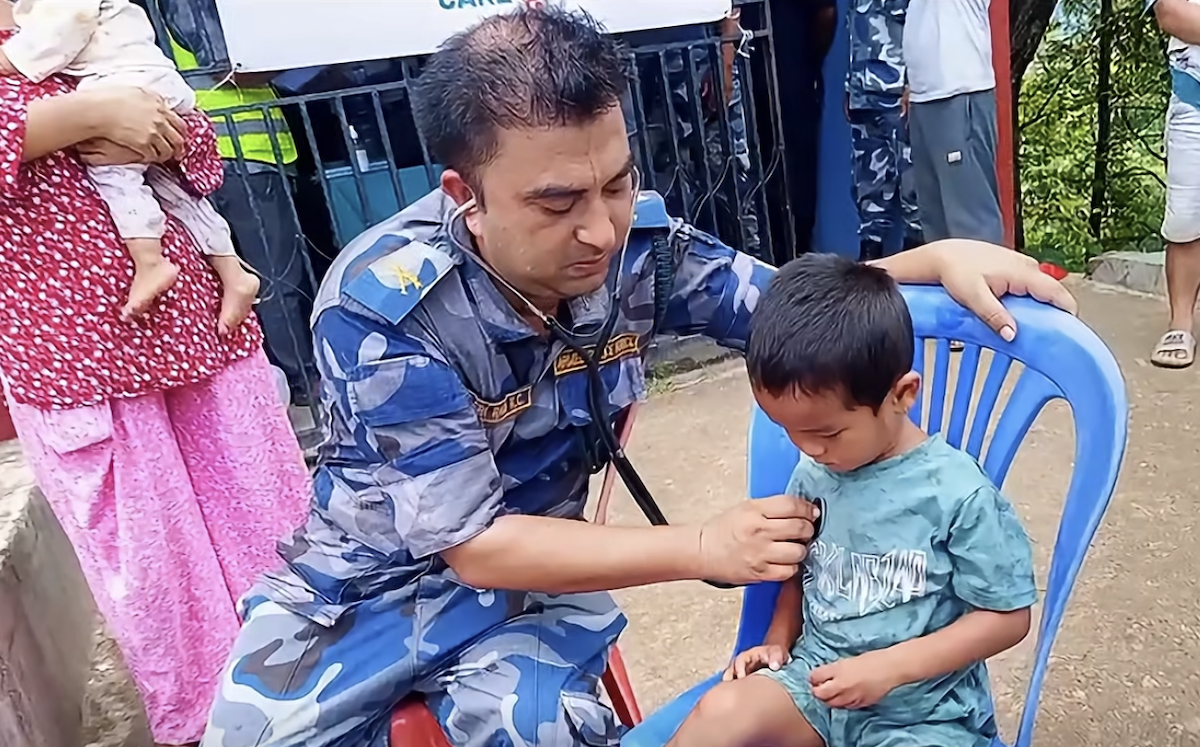
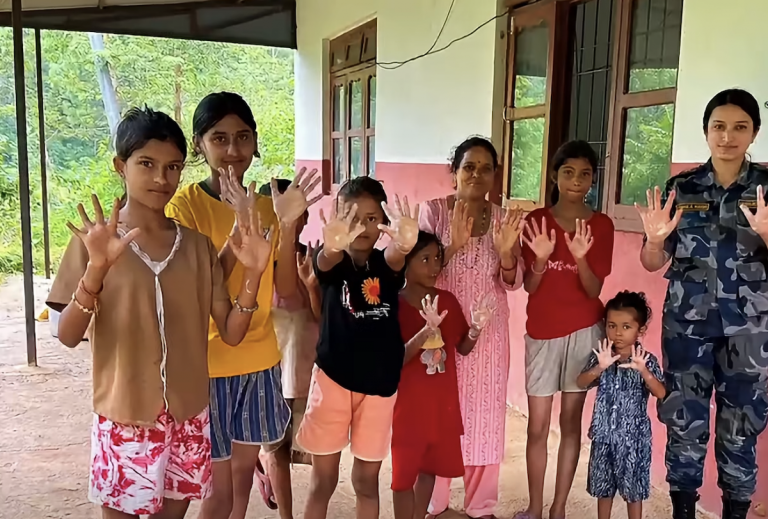
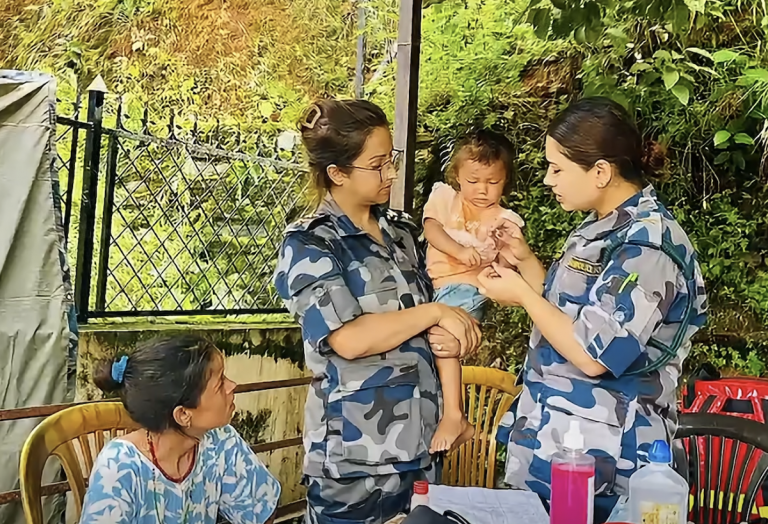
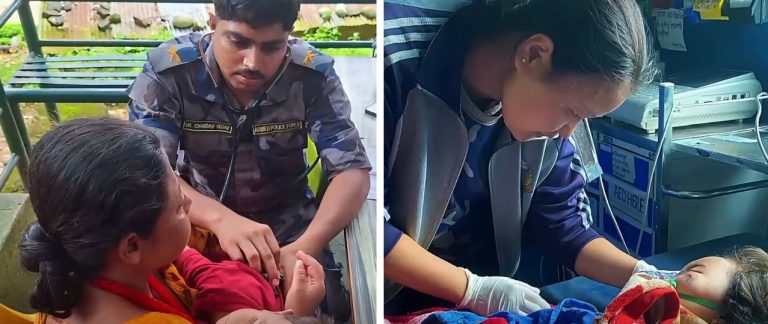
Doctors and health workers from the Armed Police Force, Nepal, examine and treat children affected by the Bhotekoshi floods. Photo: Armed Police Force, Nepal
KATHMANDU, Nepal — The risk of infectious and waterborne diseases typically rises in flood-affected areas after the initial rescue and relief efforts are completed, health experts say.
Contaminated drinking-water sources, damaged sewage and sanitation systems, poor waste management and crowded temporary camps can worsen the public health crisis after a disaster.
The risk is particularly high in communities dependent on major waterways, including the Trishuli River, where contaminated water, unsafe food and inadequate sanitation can accelerate the spread of disease. People who have lost their homes, livelihoods and relatives may also be physically and psychologically vulnerable, allowing common bacterial and viral infections to spread quickly.
Infectious disease specialist Dr. Sher Bahadur Pun said post-disaster infections can generally be understood in three stages: water- and foodborne diseases that emerge immediately, vector-borne diseases that appear later, and respiratory infections that spread because of crowding and weather conditions in temporary camps.
In Rasuwa, a Lingering Stench of Death
After floods swept through markets in Betrawati, Rasuwa district, homes, roads and other signs of human habitation were buried in mud. The carcasses of livestock, human remains that have yet to be recovered, destroyed food supplies and the lack of access to affected settlements are increasing the risk of another health crisis.
Journalist Danda Gurung, who recently returned from Betrawati and other flood-affected parts of Rasuwa, said the situation was more devastating than any disaster he had previously witnessed.
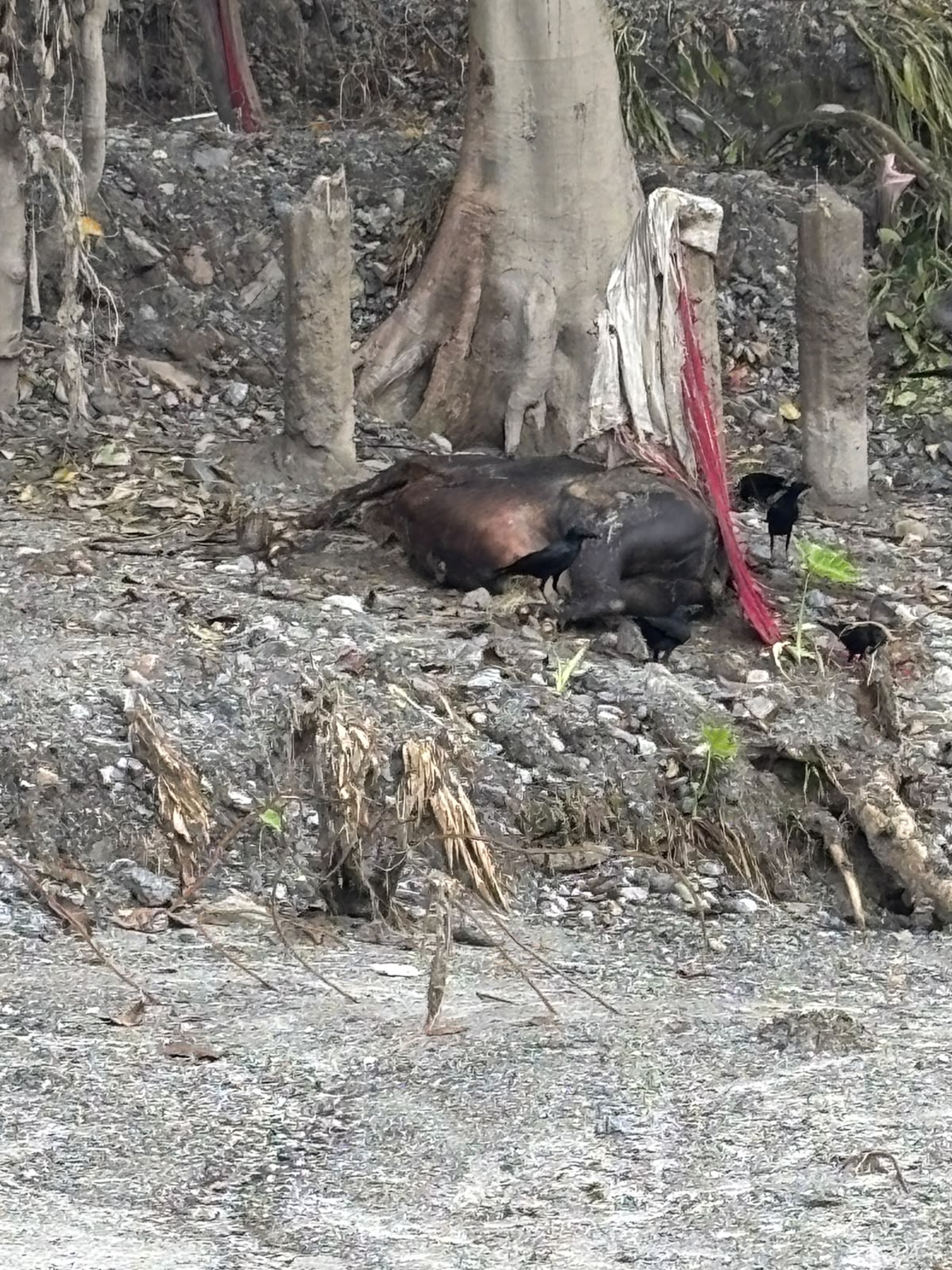
Gurung said a stench had spread across the affected areas because of accumulated mud, decomposing livestock and human remains that had not been recovered. The failure to manage destroyed food supplies was also raising the risk of infection and food shortages, he said.
“Some livestock carcasses have decomposed. Crows are tearing at the flesh. They have not been properly managed,” Gurung said. “This creates the risk of another epidemic.”
Gurung said affected communities were also facing shortages of drinking water and food. He said the condition of flood victims living in temporary shelters was even more distressing.
Health experts say delays in managing dead livestock and human remains can contaminate water sources and the surrounding environment. Because contaminated water and soil can spread infection, authorities must immediately prioritize the safe management of human remains and animal carcasses, drinking-water purification and sanitation in affected areas, they say.
Gurung also said the education and mental health of children affected by the floods must be addressed immediately. Many schools have been damaged, and many children have lost family members and homes, he said, adding that special programs are needed to help them return to regular classes.
Experts say psychological trauma can have long-term effects on children who have lost their homes, families and possessions. Psychosocial support should therefore be included in relief and recovery plans alongside the restoration of education, they said.
The First Threat: Contaminated Water
In the immediate aftermath of a disaster, access to safe drinking water may be limited. People may be forced to drink cloudy, contaminated or inadequately treated water, increasing the risk of diarrhea, cholera, typhoid and hepatitis A and E.
Dr. Anup Bastola said diarrhea and cholera can spread rapidly among large groups within hours when people consume contaminated water or unsafe food. The risk of infection rises further when sewage, garbage, chemicals or human and animal remains enter water sources.
Experts recommend immediately providing displaced people with safe water, ready-to-eat food, chlorine, water-purification tablets and other essential supplies. Because displaced families may not be able to boil or purify water themselves, government agencies and aid organizations should deliver safe drinking water directly, they said.
As Waters Recede, Mosquitoes and Other Vectors Emerge
Floods and landslides create stagnant water, piles of garbage, sewage-contaminated mud and overgrown areas where mosquitoes and other insects can multiply. This increases the risk of dengue, malaria, leptospirosis and scrub typhus.
Medical studies have also shown that the risk of leptospirosis and other infections can increase after floods and displacement. Contaminated water, poor sanitation, overcrowding and the growth of insect populations can all contribute to disease transmission in flood-affected areas.
Pun and Bastola said scrub typhus can be transmitted through the bites of mites, tiny organisms found in bushes and garbage. Symptoms may not appear until one to three weeks after infection, meaning the number of scrub typhus cases could rise even after the immediate disaster appears to be under control.
Experts say authorities should prioritize draining stagnant water, safely managing waste, clearing overgrown areas and controlling mosquitoes. Relief workers and local residents should use mosquito nets or insect repellent and wear long-sleeved clothing when entering areas with dense vegetation, they said.
Crowded Camps Raise Respiratory Risks
When displaced people are housed in crowded temporary camps or shelters, respiratory infections can spread quickly from person to person. Cold weather, dust, overcrowding and inadequate ventilation increase the risk of colds, influenza, rhinovirus infections and pneumonia.
Displacement can also disrupt children’s routine immunization schedules, Bastola said. Children who miss vaccinations may face a higher risk of vaccine-preventable diseases such as measles when they live in crowded camps.
Health workers recommend recording the vaccination status of children in the camps and providing any missed doses. People with fever, rashes, persistent cough or difficulty breathing, as well as those with diarrhea, should be separated from others and receive immediate medical examinations, they said.
International Agencies Warn of a Growing Health Risk
According to UNICEF, at least 22,000 children in flood-affected areas urgently need safe drinking water, sanitation and hygiene support. UNICEF said the risk of waterborne and other infectious diseases has increased because water-supply systems and toilets have been damaged.
Alice Akunga, UNICEF’s representative in Nepal, said the risk of waterborne diseases can rise quickly in such circumstances but can be prevented through appropriate precautions and response measures.
The World Health Organization said the risk of infectious diseases can increase because of displacement, overcrowding, damaged water and sanitation systems and disruptions to health services.
“Displacement, overcrowding, damaged water and sanitation systems, and disrupted health services can increase the risk of infectious diseases, including diarrheal and respiratory illnesses,” the World Health Organization said. “Other priority risks include injuries, unsafe water and food, vector-borne diseases, and mental health and psychosocial needs.”
The WHO said it was working with the government and partner organizations to coordinate the health response, strengthen disease surveillance, maintain essential health services and identify and address emerging health risks.
Nepal Steps Up Disease Surveillance
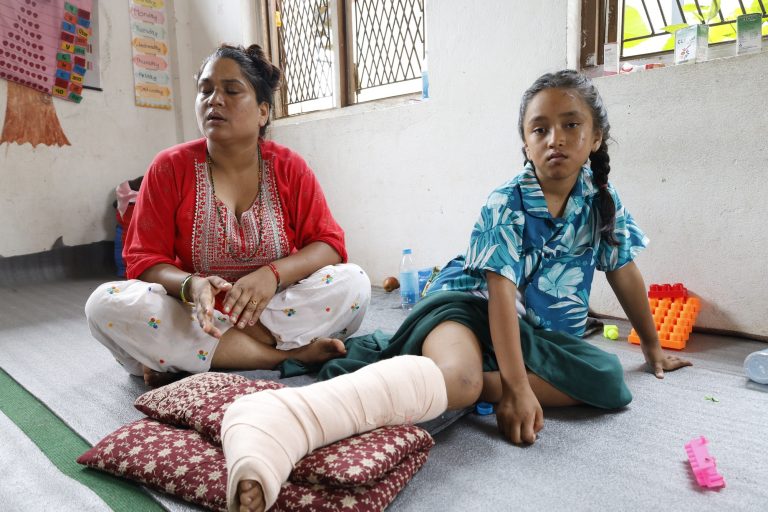
Dr. Prakash Budhathoki, a spokesman for Nepal’s Ministry of Health and Population, said disease surveillance and early-warning systems had been activated to manage the potential risk of infectious and waterborne diseases after the disaster.
The ministry said it was conducting 24-hour monitoring in affected areas and temporary shelters through the Disease Surveillance, Outbreak Response and Management System. The system will collect and analyze information about patients with diarrhea, cholera, high fever and rashes, the ministry said.
The ministry said the system would provide immediate alerts when signs of infection emerge, helping authorities control potential outbreaks at an early stage.
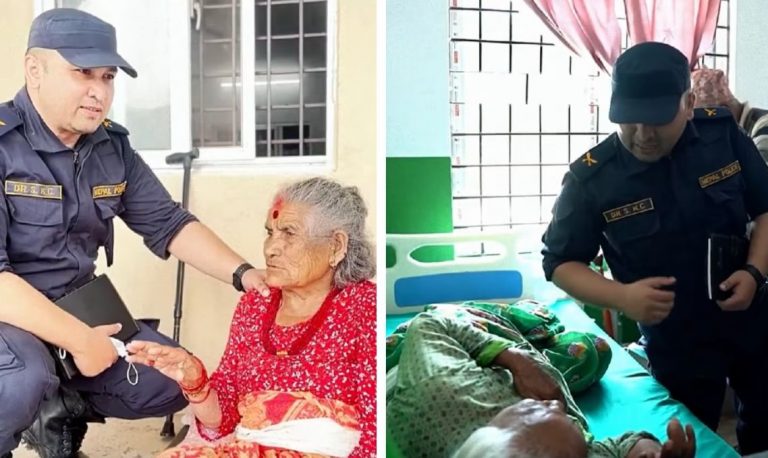
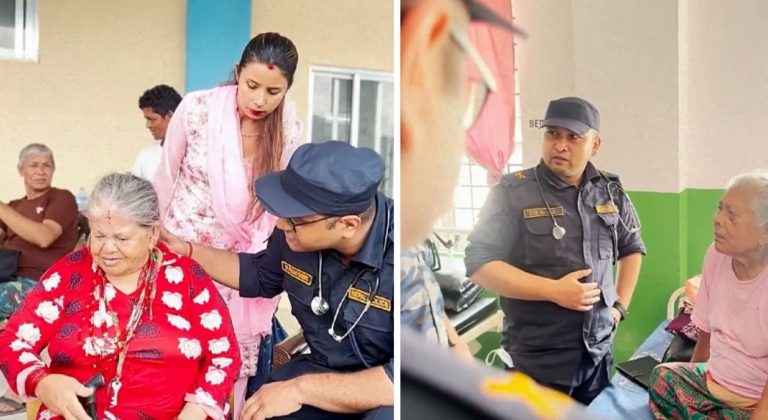
According to the ministry, eight infectious disease specialists, 162 doctors, rapid response teams, monitoring officers and health workers from local governments and health offices have been deployed to affected areas. The ministry has sent high-level coordination teams to the two hardest-hit districts to oversee and coordinate the response.
The ministry said it was coordinating with water, sanitation and other government and nongovernmental agencies to provide safe water, temporary toilets and personal hygiene support. Ambulances have been placed on standby to transport seriously ill patients, and a toll-free 1115 Hello Health service is operating to provide health information and counseling.
Prevention Begins With Water and Sanitation
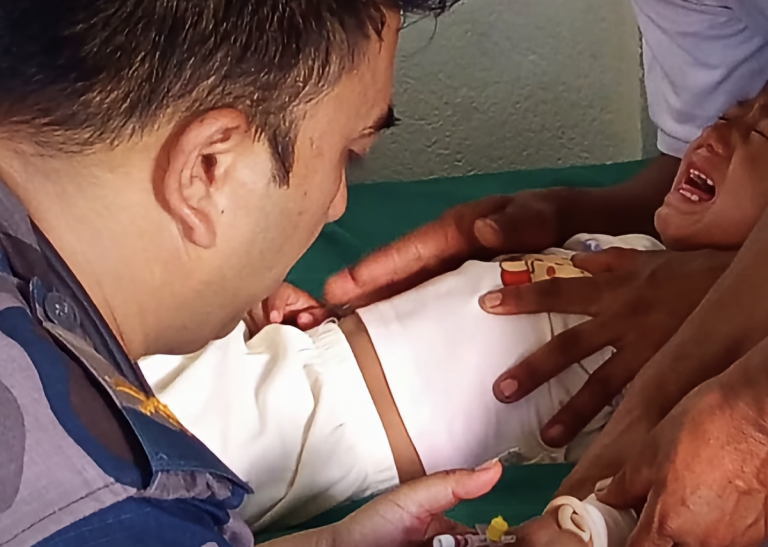
Dr. Amit Pokhrel, chief of the UDC branch working in directly affected areas, said the main priority in post-disaster health management was preventing disease rather than treating it after it spreads. Water, sanitation and hygiene programs are at the center of that effort, he said.
Water from jars and tanks distributed at temporary shelters is being tested regularly. Pokhrel said officials were chlorinating drinking water as needed, building additional temporary toilets where existing facilities were insufficient for the population and managing waste around the camps.
He said authorities were also safely disposing of dead animals, raising awareness about hand-washing with soap and water, and distributing hygiene supplies to affected families. At least one health worker and a support volunteer have been assigned to each temporary shelter, he said.
Arrangements have been made to begin immediate testing and treatment when people show signs of fever, cough, cold or diarrhea, Pokhrel said. An updated data system is collecting and reporting daily patient information, allowing rapid response teams to be deployed when signs of infection emerge, he said.
Relief Efforts Can Also Spread Infection
Health workers said uncontrolled crowds during relief distribution and volunteer activities could increase the risk of infection despite the government’s preparations.
Teams arriving from Kathmandu and other cities to distribute relief, along with journalists and volunteers, may bring seasonal flu or other infections into the camps, Pokhrel said. Such infections can spread easily among displaced people who have been weakened physically and psychologically by the disaster, he said.
Health workers recommend that relief distribution be managed through local governments, health offices or a one-door system. Such coordination would reduce unnecessary crowds and make it easier to manage relief supplies, conduct health screenings and control infections, they said.
Recovery Will Require Vaccines and Mental Health Care
Pun and Bastola said infection control requires not only safe water and food but also routine vaccinations, vector control and personal protection. They recommended regular chlorination of drinking-water sources, construction and use of sufficient temporary toilets to prevent open defecation, and the removal of stagnant water to control mosquitoes.
Experts also recommended increasing the use of mosquito nets and insecticides, providing children with essential missed vaccinations such as the measles vaccine, and ensuring that relief workers and volunteers who are ill take health precautions before entering affected areas.
Pun said people who have lost their homes, family members and possessions could experience severe psychological trauma. Such trauma can affect not only mental health but also overall physical health, making psychosocial counseling and continuing mental health services essential, he said.
Health experts said authorities should develop plans to move displaced people from crowded camps to safe locations where families can live together. Restoring flood-damaged health posts and ensuring a regular supply of medicines are also important parts of long-term health management.
Preventing an Outbreak Will Take More Than Health Officials
Health officials said no major epidemic had been reported in affected areas so far because an epidemic-control and infectious-disease surveillance plan had been implemented from the second day after the disaster through coordination among the federal, provincial and local governments.
But the risk has not completely disappeared. Preventing post-disaster infections is not solely the responsibility of the Ministry of Health. It is a shared responsibility involving water and sanitation agencies, local administrations, relief organizations, volunteers and the public.
Health experts say an integrated approach — including safe drinking water, effective sanitation, safe management of animal carcasses and human remains, routine vaccinations, continuous disease surveillance and the deployment of rapid response teams — can help prevent a potential post-disaster epidemic and save lives.
This coverage was made possible by a grant from URL Collective, a nonprofit supporting local, diverse media.