



What Undocumented Immigrants Should Know Before Traveling Inside the U.S.: AILA Shares Safety Tips

The American Immigration Lawyers Association (AILA) is warning undocumented immigrants that travel inside the United States has become riskier, stating that new federal policies and state laws have increased the chance of arrest or detention during domestic flights, bus and train trips, and even routine drives to nearby cities. The flyer, last updated July 31, advises individuals to speak with an immigration attorney prior to any travel.
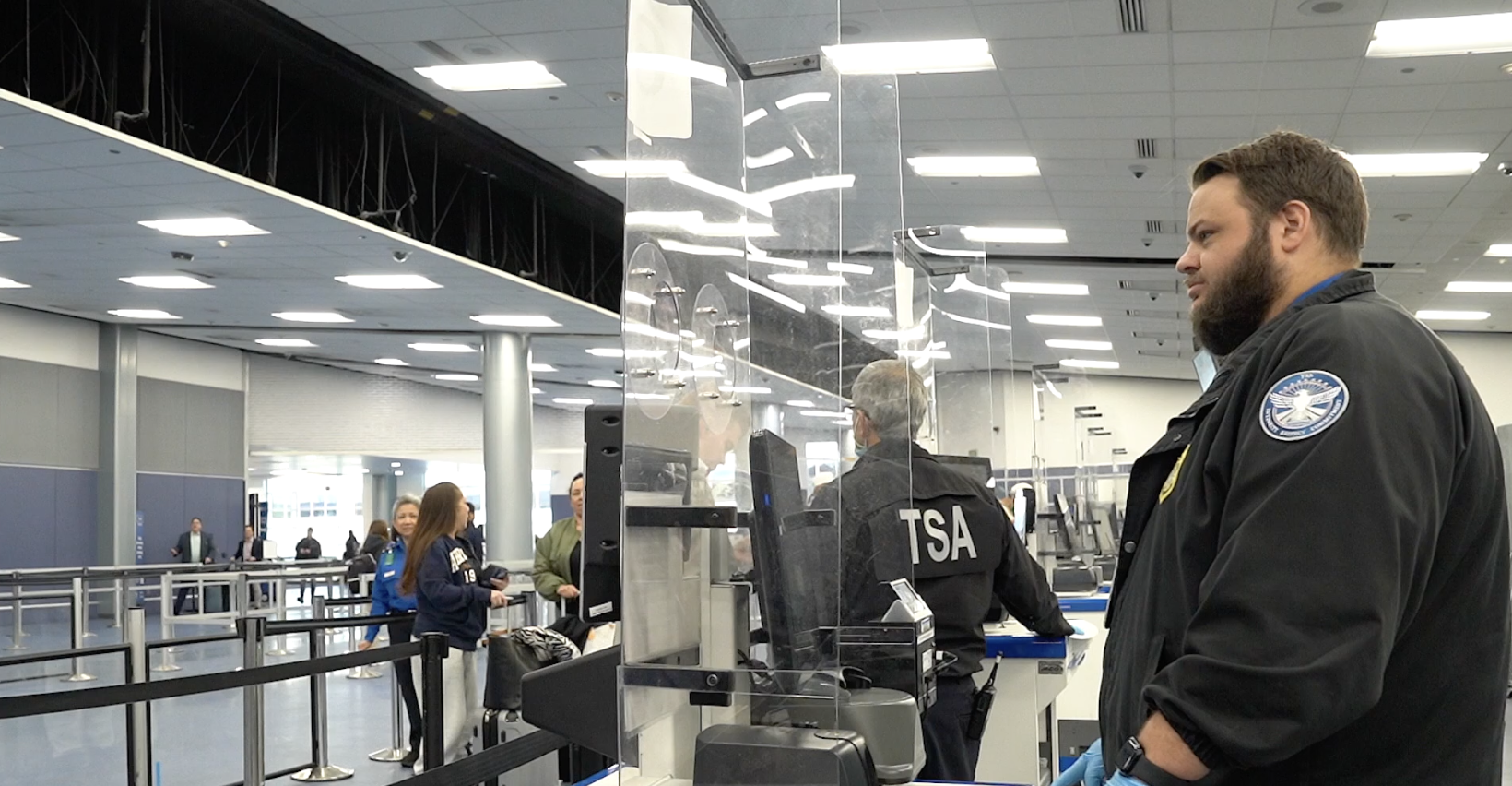
At airports, AILA reports that the Transportation Security Administration (TSA) shares domestic passenger information with Immigration and Customs Enforcement (ICE), which then cross-references the data against records of individuals with final removal orders and dispatches agents to make arrests. The flyer notes that ICE is already present at many U.S. airports and that individuals with final removal orders, pending applications, or criminal histories are the most likely to be affected. Recent reporting has described a broader increase in airport enforcement and TSA-ICE data sharing.
AILA also states that the Department of Homeland Security (DHS) is consolidating biometric databases from the TSA, ICE, Customs and Border Protection (CBP), and U.S. Citizenship and Immigration Services (USCIS) into a single platform that includes facial recognition. The flyer indicates that the TSA expanded facial recognition to 65 airports in early 2026 and that domestic travelers currently have the right to opt out by stating: “I am opting out of facial recognition. I would like manual ID verification.”
For bus and train travel, the flyer points to CBP’s authority to board vehicles within 100 miles of any U.S. border without a warrant—an area that covers nearly two-thirds of the U.S. population and includes Florida, Michigan, the New England states, and large parts of Arizona, California, Texas, and New Mexico. AILA notes that officers may ask about immigration status, but travelers have the right to refuse; however, refusing could result in being asked to step off the bus or train.
The flyer also identifies Alabama, Texas, and Florida as high-risk states, explaining that local laws there can increase the likelihood of immigration detention or arrest during routine traffic stops.
AILA advises individuals to take several steps before traveling: speak with an immigration attorney, share travel plans and the attorney’s phone number with a trusted person, designate a caregiver for children in case detention occurs, memorize the lawyer’s phone number, carry physical copies of immigration documents, and secure electronic devices before flying.
If stopped, questioned, or detained, the flyer advises individuals to stay calm, present a passport if requested, opt out of facial recognition, remain silent, request a lawyer, and refrain from signing any documents without consulting counsel first, as certain forms can waive the right to a hearing or impact the ability to return to the United States.
AILA states that the flyer is for general informational purposes only and does not constitute legal advice. Individuals are urged not to rely on the document without consulting a competent, licensed immigration attorney. Those needing representation can find a licensed lawyer at ailaLawyer.com.