






How Misinformation and AI Videos Flooded Social Media After Nepal’s Devastating Flood

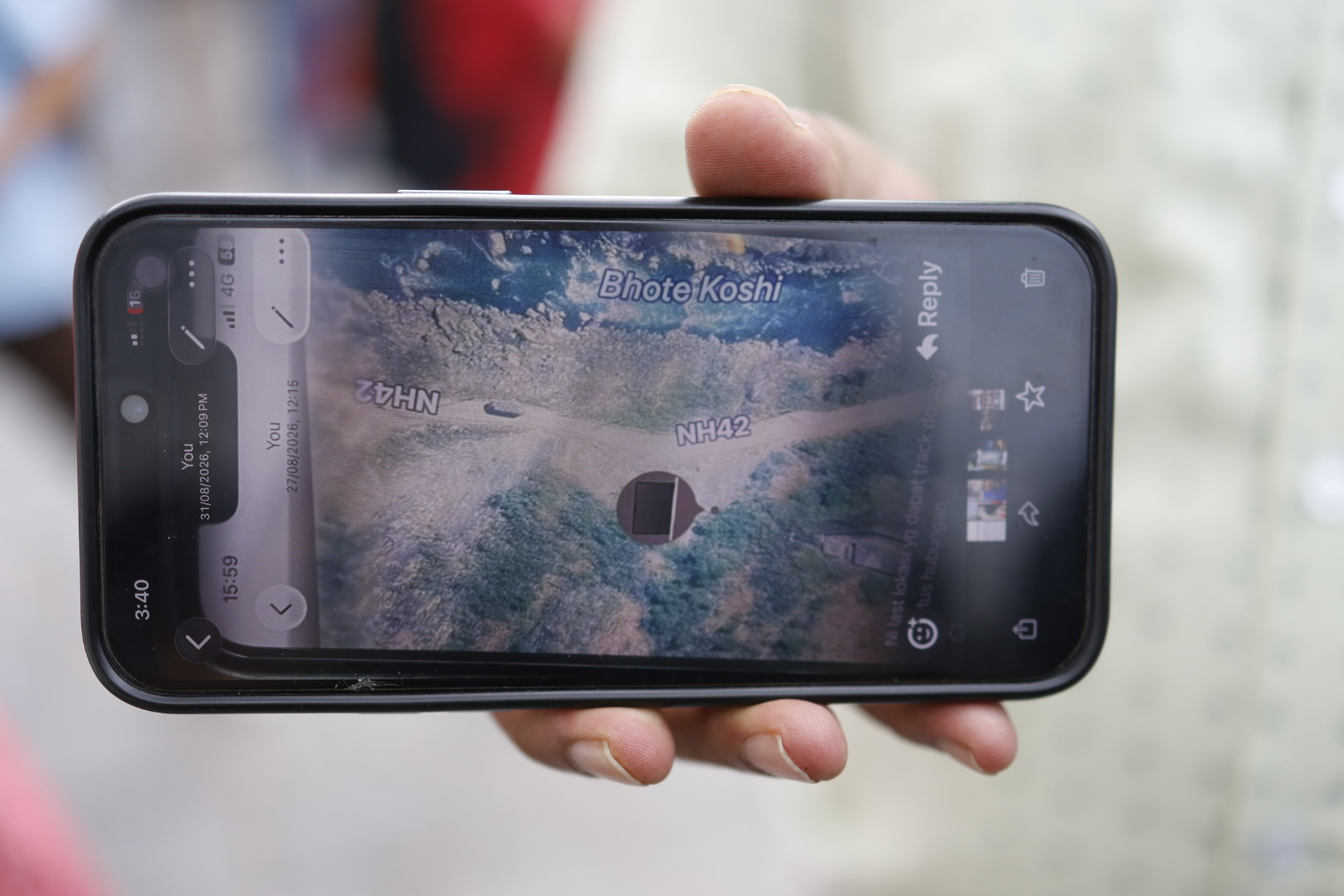
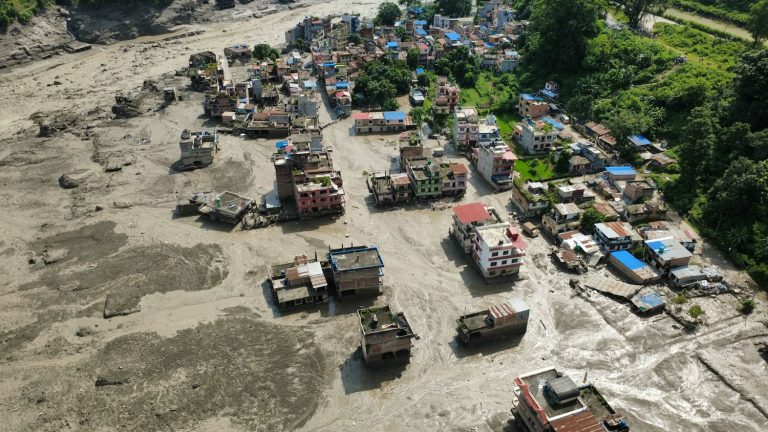
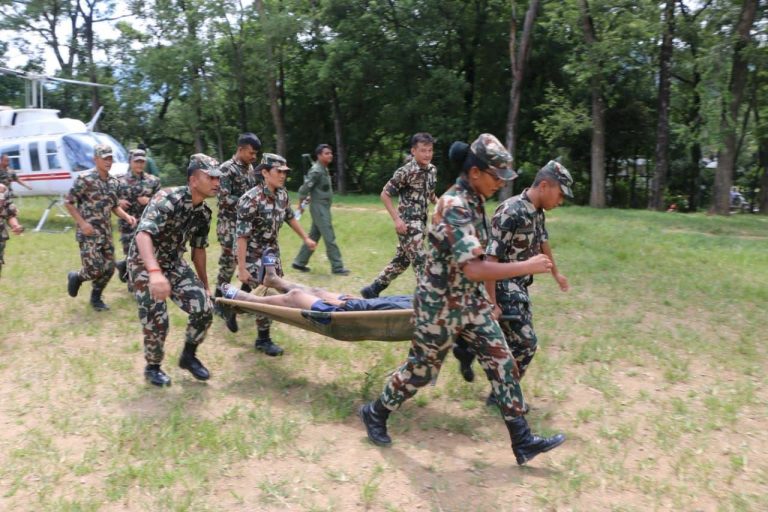
After a devastating flood struck Nepal’s Bhote Koshi area on Aug. 26, another flood followed across some news outlets and social media platforms — a flood of misleading and fabricated information. Photo: Dipendra Dhungana/NepYork
After a devastating flood struck Nepal’s Bhote Koshi area on Aug. 26, another flood followed across some news outlets and social media platforms — a flood of misleading and fabricated information.
AI-generated images, old videos and footage from other countries have added confusion and fear instead of helping people affected by the disaster receive timely relief.
Why do unrelated and misleading materials spread so quickly during disasters? How is this flood of misinformation affecting rescue and relief operations on the ground? We are trying to find the answers.
Some Viral Claims on Social Media and the Facts Behind Them
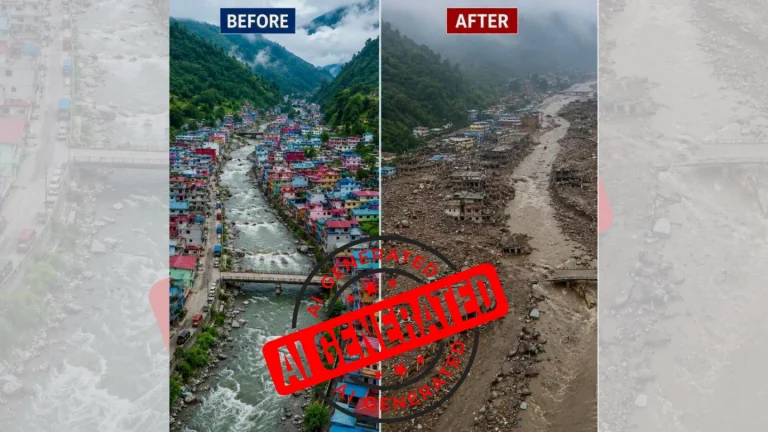
Case 1: AI-generated “Before-and-After” Images of Rasuwa
Claim: Shortly after the Bhote Koshi flood, a photo went viral on social media showing a comparison between a beautiful settlement before the flood and widespread destruction afterward. Many people believed the images were real, expressed grief and shared them.
Fact: Digital forensic investigations by international fact-checking organizations, including the Associated Press (AP), found that neither image was real. Both were digitally generated using artificial intelligence.
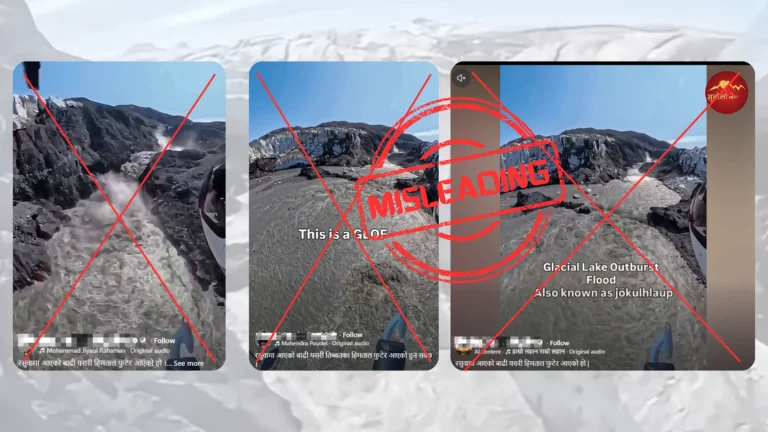
Case 2: Video of a Glacier Event in the United States Falsely Linked to Rasuwa
Claim: A disturbing video circulated on TikTok, Facebook and X with claims that a glacial lake outburst flood had struck the Bhote Koshi River in Rasuwa.
Fact: An investigation by NepalFactCheck found that the video had no connection to Nepal or Rasuwa. It was an old video of a glacial lake outburst flood in the Columbia Glacier area of Alaska, United States, that was falsely presented as footage of the Rasuwa disaster.
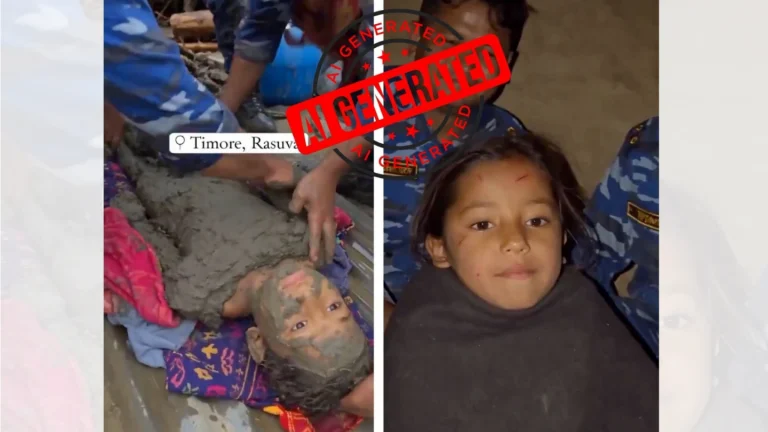
Case 3: AI Video of a Rescued Girl Creates Confusion Over a Real Rescue
Claim: A video viewed millions of times purported to show Armed Police Force personnel rescuing a girl alive after she had been buried in a landslide in Timure, Rasuwa.
Fact: According to the TechPana Fact Check Desk, the rescue of a girl alive in Timure by the Armed Police Force was a real event. However, the video that went viral on social media was entirely AI-generated. The misleading AI video overshadowed the genuine success of the rescue team.
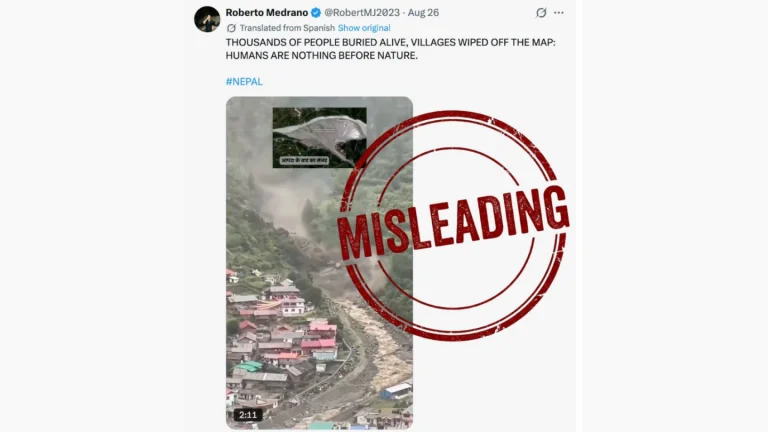
Case 4: Viral Video Falsely Claims Thousands Were Buried Along Nepal-China Border
Claim: A graphic video went viral on social media with claims that thousands of people had been buried and an entire village destroyed after a landslide along the Nepal-China border.
Fact: A fact check by Reuters Fact Check found the claim to be completely false and misleading. The footage showing a village being swept away by a landslide was not from the Nepal-China border. It was old footage of flooding and landslides in Dharali village in Uttarkashi district, Uttarakhand, India.
Case 5: AI-generated Video Falsely Claims Hundreds Died in Flooding Along Nepal-Tibet Border
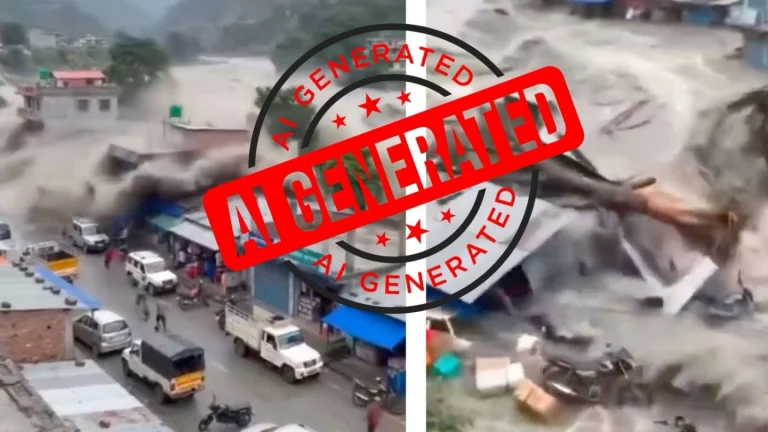
Claim: Within hours of reports of severe flooding along the Nepal-Tibet border, a video was widely shared on social media as authentic footage of the disaster, with claims that hundreds of people had died.
Fact: An investigation by AFP Fact Check found visual inconsistencies commonly associated with AI-generated content. Google’s AI detection tool also indicated that the video had been created using artificial intelligence software.
Case 6: Old Videos From Jammu and Kashmir and Uttarakhand Falsely Linked to Nepal Floods
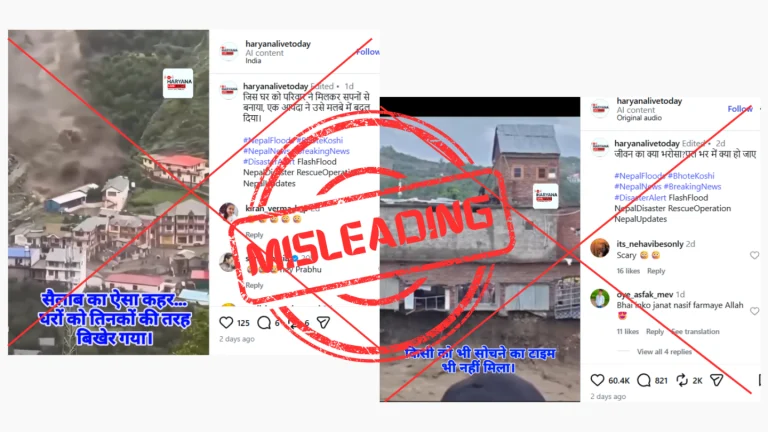
Claim: Two videos were widely shared on social media as footage of Nepal’s devastating Aug. 26 flood, showing shops collapsing, people being buried and buildings submerged.
Fact: An investigation by Vishvas News found that neither video was related to the Nepal disaster. One video was from flooding in Budgam district of Jammu and Kashmir, India, in July 2026. The other was old footage of the August 2025 landslide in Dharali, Uttarakhand.
Case 7: Old Videos From Vietnam Falsely Presented as Children Orphaned by the Bhote Koshi Flood
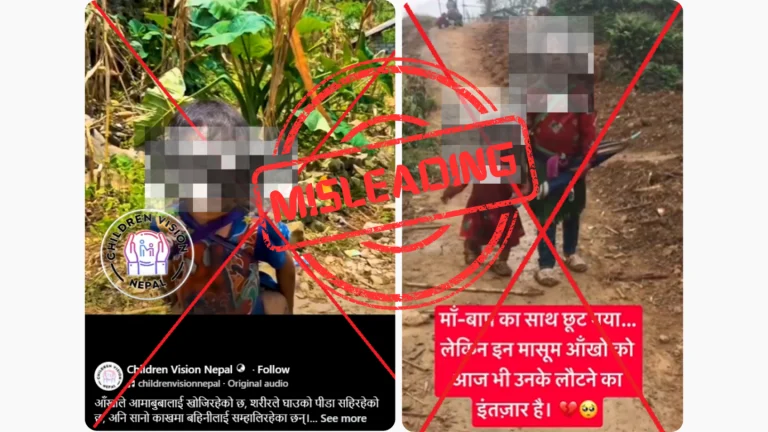
Claim: Two videos were widely shared on social media as heartbreaking footage of children who had lost their parents in the Bhote Koshi flood and were carrying their younger siblings on their backs.
Fact: According to a fact check by NepalFactCheck, both viral videos were old footage from Vietnam, not Nepal. The videos were falsely linked to the Rasuwa flood and circulated with emotional messages.
Case 8: AI-generated Video Falsely Depicts Tunnel Rescue and Children Being Fed Juice
Claim: A video was widely shared on social media as footage of soldiers entering a tunnel to rescue people and rescuing children who had been buried in mud before giving them juice.
Fact: The claim is completely fabricated and misleading. The scenes shown in the video were not from an actual rescue operation. They were digitally created using artificial intelligence.
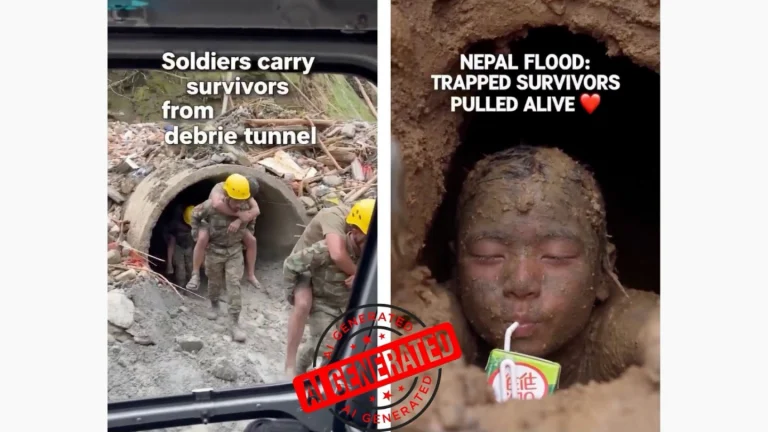
These are only some representative examples. Social media has also been flooded with claims ranging from videos from Uttarakhand, India, falsely showing Home Minister Sudan Gurung entering a tunnel with the Nepal Army to take part in rescue operations, to AI-generated footage presented as horrifying scenes from Nepal’s floods.
Why Does Misinformation Spread So Quickly During Disasters?
During disasters, the public’s need for accurate and immediate information increases. When floods, landslides or earthquakes occur, people rely more heavily on social media and news organizations for information about rescue operations, relief efforts and safe locations.
At the same time, false and misleading information can spread rapidly.
People’s interest in information rises sharply during disasters, increasing the number of people who view and share content. But disasters also increase fear, anxiety and other negative emotions. That psychological state can create favorable conditions for misinformation to spread, said Ujwal Acharya, project coordinator at NepalFactCheck, an information technology expert and media researcher.
He said people are psychologically vulnerable during disasters. As fear and anxiety increase, people may become more attracted to emotionally appealing content. “People are already psychologically vulnerable because of the disaster. In such a situation, emotionally appealing content tends to be consumed more,” Acharya said.
Acharya said people’s critical thinking can decline when they are not in a normal psychological state.
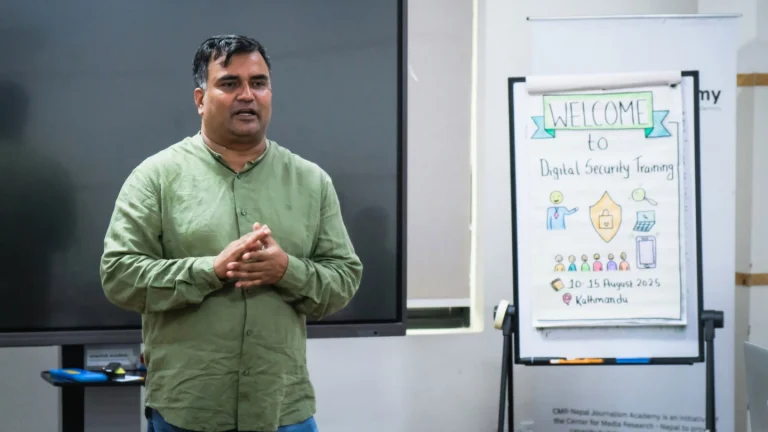
During disasters, social media can be flooded with information, leaving people with little time or ability to verify every piece of content. As a result, emotionally powerful material may be more likely to be accepted without verification.
People also want to share information they receive so others can learn about it and potentially receive help. But that positive intention can sometimes become a vehicle for spreading misinformation.
Acharya said people may also feel pressure to share when they see many others posting about the same subject. “When people are highly interested in information and want others to know about it or benefit from it, they are more inclined to share content. When many people are sharing content about the same issue, there can also be a fear of being left behind,” he said.
A single unverified share can therefore push misinformation to an even larger audience.
Why Do People Trust Emotional Content?
Lekhanath Pandey, an associate professor of journalism at Tribhuvan University, said false and misleading information circulating on social media during disasters can make a crisis even more complicated.
People who rely on social media as a primary source of information may be particularly vulnerable to misinformation when they do not verify the credibility of the content they encounter, he said. People with weaker digital and information literacy may be more dependent on social media content, he added.
Pandey said people also have a tendency to accept information that matches their personal biases without checking whether it is accurate. Because misinformation can be produced easily and cheaply, such content can spread rapidly on social media.
“People like exaggerated stories, narratives, false information and misleading content. In many cases, it matches their existing biases,” Pandey said.
Pandey said misinformation can increase fear, anxiety and anger during disasters. If fact-based information is not provided quickly during a crisis, misinformation can gain even more ground, he said.
“During a crisis, misinformation amplifies the crisis. It increases people’s anxiety, fear, anger and emotions,” Pandey said.
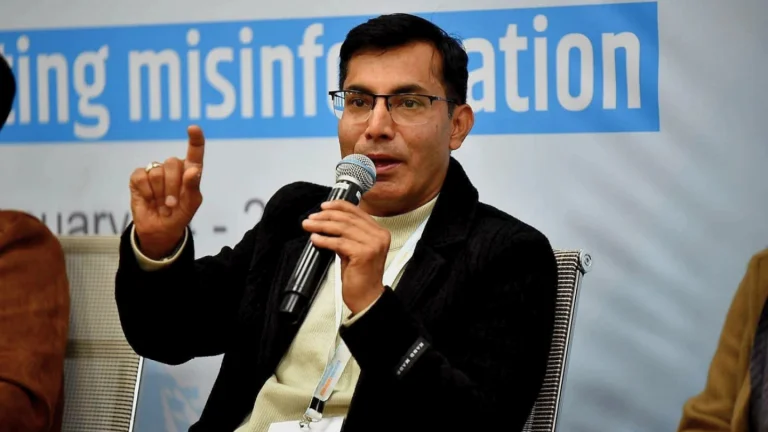
According to Pandey, one of the most important ways to control misinformation during a disaster is for relevant authorities to release fact-based information promptly. When government agencies and other responsible institutions provide accurate information, the likelihood of misinformation spreading can decrease, he said.
Even after misinformation has spread on social media, it needs to be countered quickly, Pandey said. When official and factual information is unavailable, people may turn to social media as their primary source, allowing misinformation to spread further.
Pandey said misinformation can be particularly effective in the “attention economy” because social media platforms tend to amplify content that attracts attention. When multiple narratives emerge around the same event, people may become increasingly engaged with such content.
For that reason, he said government agencies, news organizations, newsrooms and fact-checkers must be more active and responsible during disasters. Authorities should provide fact-based information quickly and effectively to counter misinformation, he said.
But because misinformation can spread at extremely high speed and in enormous volumes on social media, controlling it is not easy, he added.
How Can Misinformation Affect Rescue and Relief Operations?
False and misleading information spread through social media and mainstream news outlets during disasters can create problems for rescue operations, relief distribution and the delivery of medicine, said Keshav Adhikari, a retired deputy inspector general of Nepal Police.
When accurate and official information is unavailable during a disaster, people may turn to social media for information. If false information spreads under those circumstances, it can create confusion about what is actually happening and affect rescue and relief operations, he said.
“There is currently a shortage of authentic news. This is precisely when authentic news should be coming out,” Adhikari said.
Adhikari said images and videos of floods and destruction from other countries have been circulated as though they were from Nepal. Footage of difficult rescue operations abroad has also been presented as footage from Nepal, potentially creating false hope among relatives of people affected by the disaster.
“Images of major floods and destruction abroad have started appearing here. Even difficult rescue operations from other countries are being brought here and presented as if they happened in Nepal,” Adhikari said.

Adhikari said Nepal’s security personnel and other agencies have been working to rescue people within their capabilities, but misinformation can create additional confusion about actual rescue and relief efforts. It can also interfere with the timely distribution of relief supplies and delivery of medicine, he said.
False information can do more than create confusion. It can increase fear, anger and dissatisfaction among the public. Adhikari said various studies have shown that false information can spread faster than accurate information.
He said misinformation can also succeed in attracting people’s attention. According to him, such content can activate dopamine-related reward mechanisms in the brain, making people more likely to engage with it.
Adhikari said the government and relevant authorities need effective measures to control misinformation during disasters. But the growing number of cybercrimes and limited resources available to authorities have made the challenge more difficult, he said.
AI Adds Another Layer of Complexity
The growing use of artificial intelligence to create photos, videos and other content has added another challenge to the spread of misinformation.
Because AI can produce material that looks increasingly realistic, people may be more likely to mistake false information for reality, Acharya said.
“AI has created confusion. Content that makes things that never happened appear to have happened has taken people further away from the truth,” Acharya said.
He said AI-generated content does not create only immediate confusion. Such material can have long-term effects on how people form opinions about an event or issue.
“Later, when a person expresses an opinion about an event or issue, or in some cases makes decisions in life, such content can play a role,” Acharya said.
As AI-generated material becomes increasingly realistic, it poses an even greater risk of making misinformation appear credible, he said.
Former D.I.G. Adhikari also said AI-generated images and videos have made it more difficult to distinguish authentic material from fabricated content. AI-generated content could even cause people to question the credibility of accurate information, he said.
“Which information is true and which is false? Now, even when your media outlet reports accurate information, it can make readers wonder, ‘Is that information really true?’” Adhikari said.
He said this could increase disorder in society and ultimately affect citizens and people responsible for responding to crises.
How to Identify Misinformation
During a disaster, accurate information can be directly linked to saving lives. Reliable information can help people reach safe locations, while false information can increase confusion, fear and uncertainty.
Experts say people should therefore verify the source, date and location of old footage, foreign events and AI-generated material before immediately sharing content seen on social media.
Acharya recommends checking when and where a piece of content originated, whether the location shown actually matches the claim, and whether the information has been confirmed by government authorities or established news organizations before believing or sharing it.
This coverage was made possible by a grant from URL Collective, a nonprofit supporting local, diverse media.