


Nepal Police Outline DNA Testing Process for Foreign Relatives; 601 Foreign Nationals Still Missing After Nepal Floods

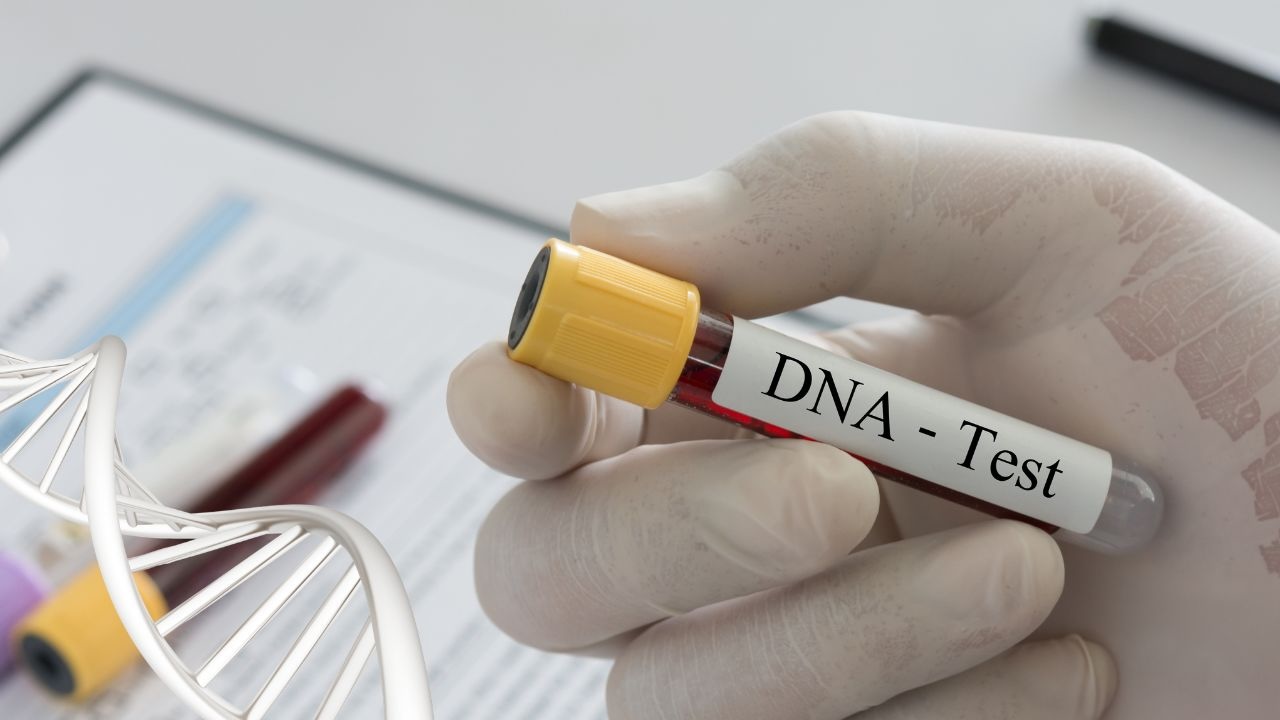
Authorities are using DNA testing to identify victims and human remains recovered from areas affected by the floods in Nepal. Photo: Created using Canva
Nepal Police have asked first-degree relatives of foreign nationals missing after the Aug. 26 flash floods in Rasuwa district to provide DNA profiles to help identify recovered bodies and human remains.
In a statement, police said 601 foreign nationals from 37 countries remain missing following flooding in the Bhote Koshi River area. Police have formed a separate team to coordinate the search, rescue and documentation of foreign nationals.
Foreign relatives — including the father, mother, son or daughter of a missing person — should undergo autosomal STR DNA profiling at an authorized laboratory in their country of residence, Nepal Police said.
Once the DNA profile is prepared, relatives should send an electronic copy to [email protected] for comparison with DNA profiles obtained from unidentified remains.
Relatives who are in Nepal may provide a blood sample for DNA profiling and submit two passport-sized photographs to the pathology laboratory at Nepal Police Hospital in Maharajgunj, Kathmandu, or to the nearest district police office.
India’s Ministry of External Affairs said Thursday that the Ministry of Home Affairs had made DNA profiling services available to first-degree biological relatives of missing people living in India.
Relatives in India may have their samples collected and DNA profiles prepared at Central Forensic Science Laboratories, state forensic science laboratories, National Forensic Sciences University laboratories, or laboratories accredited by the National Accreditation Board for Testing and Calibration Laboratories that have DNA profiling capabilities.
The Indian government said relatives should follow Nepal Police’s technical requirements for autosomal STR DNA profiling. A copy of the completed profile may also be sent to the Embassy of India in Kathmandu at [email protected] for coordination.
Nepal Police provided a helpline for the DNA profiling process at +977 9841 6160 95.
According to the latest situation report from the National Disaster Risk Reduction and Management Authority, or NDRRMA, 5,053 people remain missing and the death toll has reached 1,259.
Nepal Police said about 100 bodies have been identified and handed over to their relatives. About 1,150 bodies remain unidentified, while details and photographs of 1,052 bodies have been uploaded to the official Nepal Police website to help families identify their missing relatives.
Authorities have temporarily buried 897 bodies under government health protocols. Police said they have collected 1,794 DNA samples so far, including 1,143 samples from deceased people and 651 from living relatives.
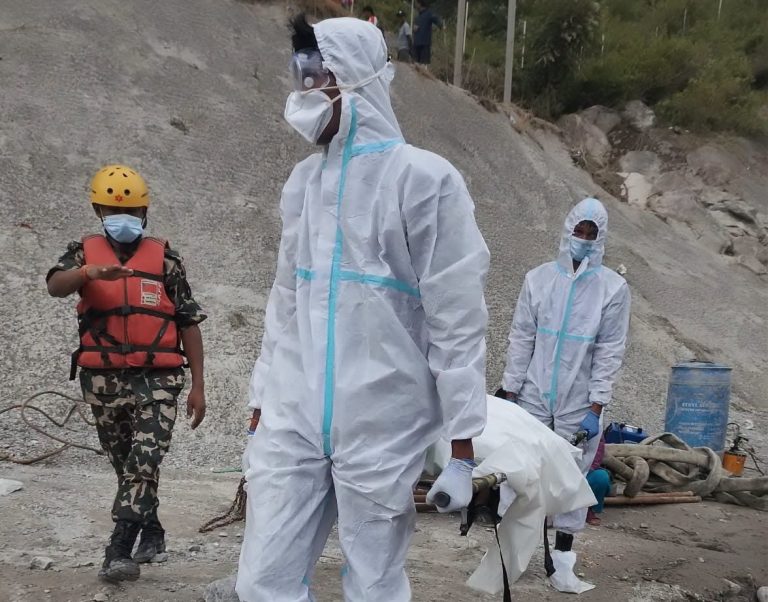
The disaster, which began after severe flooding in the Bhote Koshi River area on Aug. 26, has caused widespread destruction in Rasuwa and other parts of Nepal. Search and rescue teams have continued efforts to locate missing people and recover remains from affected areas.