





Nepal Moves to Overhaul 34-Year-Old Immigration Law, Proposes Harsher Penalties

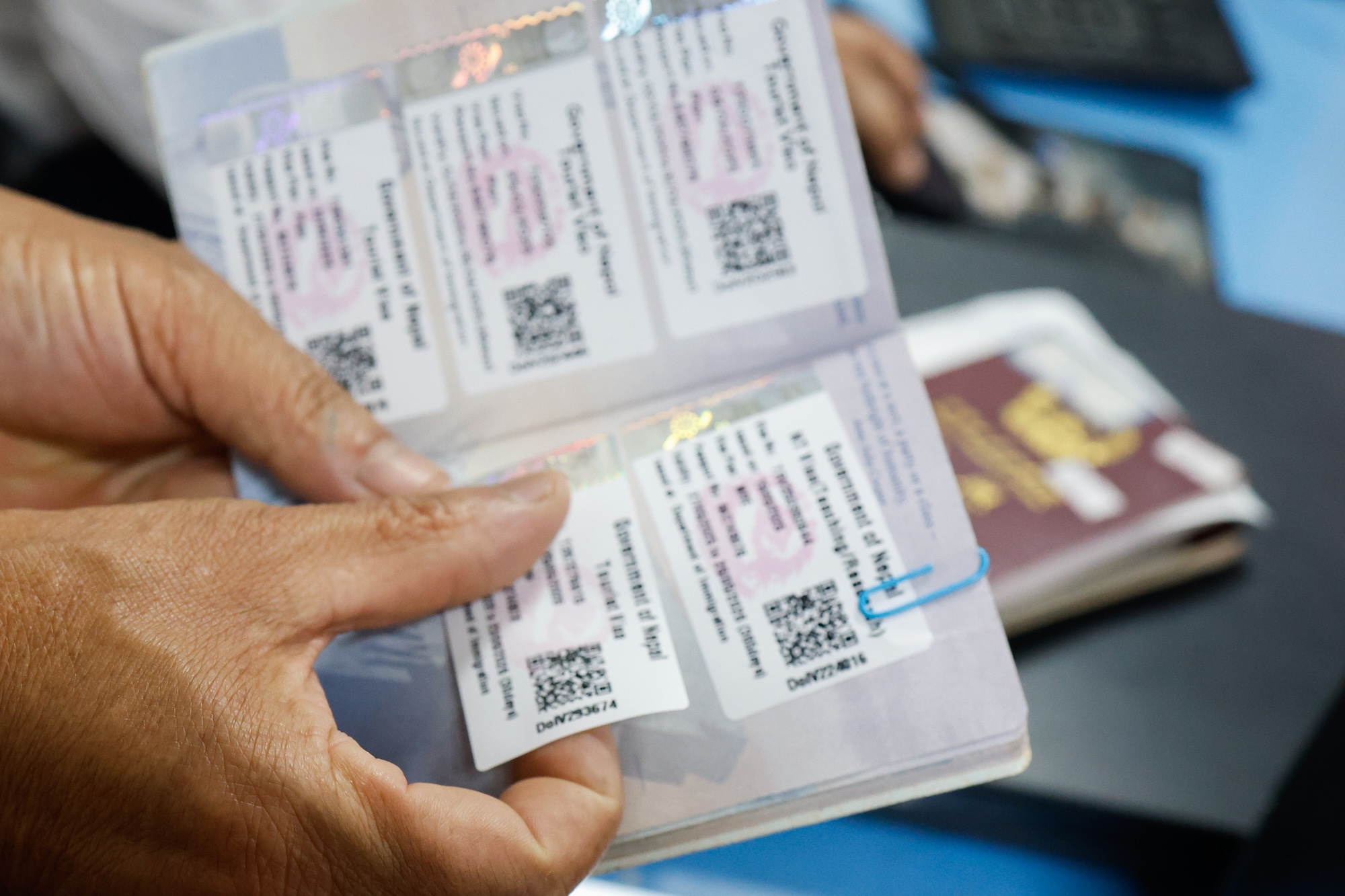
A Department of Immigration official issues a visa sticker in Nepal. Photo: Deependra Dhungana
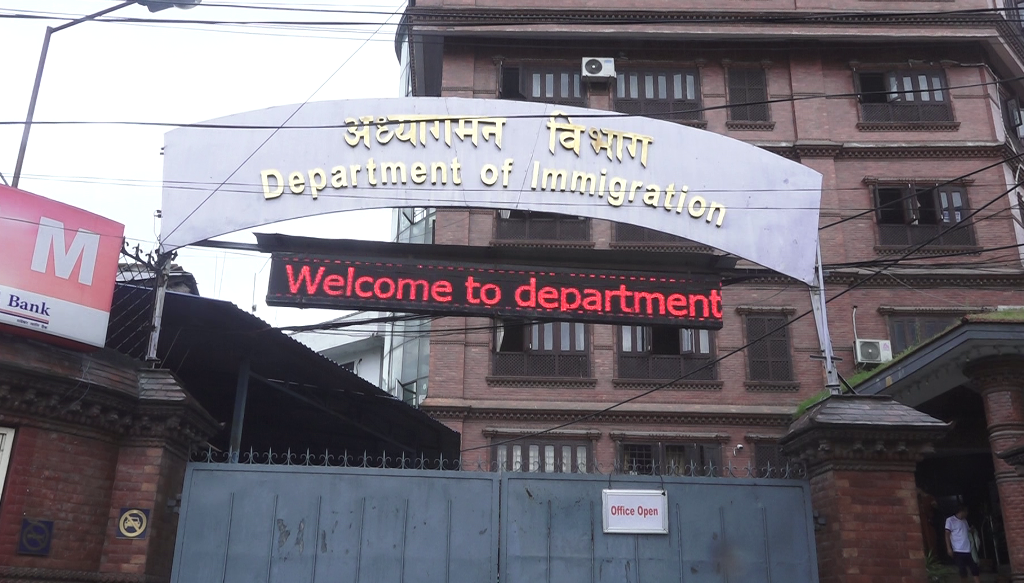
KATHMANDU — Nepal is preparing a sweeping overhaul of its immigration law, seeking to replace a framework adopted more than three decades ago with rules designed to address growing foreign arrivals, visa violations and the demands of modern immigration management.
The Department of Immigration has brought the revision of the Immigration Act of 1992 (2049 B.S.) to its final stages. The proposed legislation would give legal recognition to automated immigration services, require a centralized system to track foreign nationals and increase penalties for immigration offenses.
The draft has been passed by the National Assembly along with a committee report and published for public comments and suggestions, according to the department. The Ministry of Home Affairs is preparing to finalize the legislation after obtaining an opinion from the Ministry of Law, Justice and Parliamentary Affairs before submitting it to the House of Representatives.
Officials say the existing law no longer adequately addresses the country’s changing immigration landscape. When the law was enacted, immigration procedures relied largely on paper records and manual processing. Nepal’s growing tourism industry, international business activity, education sector and mountaineering industry have since brought a much larger number of foreign nationals into the country.
The proposed changes are intended to address not only the increased volume of visitors but also concerns about visa misuse, overstays and difficulties locating foreign nationals during emergencies.
A Law Written for a Different Era
The Immigration Act of 1992 was developed when international travel to Nepal was far less extensive and immigration administration depended primarily on manual recordkeeping.
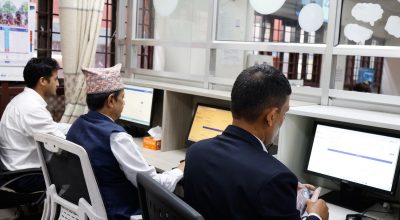
Since then, the government has introduced digital services, including the Nepal Portal, automated systems and so-called faceless services that allow applicants to complete certain procedures without visiting immigration offices.
But the existing law does not explicitly recognize many of these systems, leaving their operation largely dependent on administrative decisions.
The department says the absence of an integrated system for monitoring foreign nationals has also created challenges for national security and emergency response.
During floods, avalanches and other disasters, authorities can struggle to determine where foreign tourists are staying. Locating visitors and coordinating rescue efforts often requires cooperation among hotels, travel agencies and other service providers.
The proposed law seeks to establish a legal framework for collecting and maintaining such information while clarifying the responsibilities of businesses involved in serving foreign nationals.
Five Major Changes in the Proposed Law
Legal Recognition for Digital Immigration Services
The draft would formally recognize automated immigration systems and digital services that the department has already begun using.
These include the Nepal Portal, faceless services and automated procedures for issuing permits to enter restricted trekking areas.
The proposed legislation would also provide a legal foundation for electronic gates, online visa processing and digital tracking systems.
Officials expect the changes to make immigration services faster and more transparent while reducing opportunities for corruption and unnecessary administrative delays.
Higher Fines and Harsher Criminal Penalties
The proposed legislation would increase the financial penalties immigration authorities can impose.
Under the existing law, the director general of the Department of Immigration can impose a maximum fine of 50,000 Nepali rupees. The draft would raise that limit to 100,000 rupees.
For more serious immigration offenses, courts could impose prison sentences of up to five years and fines of up to 500,000 rupees.
The proposal also seeks to expand the range of penalties for overstaying visas and engaging in other activities that violate immigration requirements.
The department says stronger penalties are intended to discourage violations and improve compliance with immigration rules.
Mandatory Registration of Foreign Nationals
One of the most significant proposed changes would make the Foreign National Management Information System, or FNMIS, mandatory.
The system is intended to maintain information about where foreign nationals are staying and track their movements within Nepal.
Hotels, airlines, travel agencies and other relevant service providers would be required to participate in the system and record information about foreign visitors and their stays.
The department says the system would help authorities locate foreign nationals more quickly during emergencies, including floods, avalanches and other natural disasters.
Having access to updated records could also improve coordination among government agencies, security personnel and rescue teams.
Clearer Authority to Deport Foreign Nationals
The draft would clarify the authority of the department’s director general to order the deportation of foreign nationals involved in overstays or less serious immigration violations.
The proposed arrangement is intended to make administrative decisions more efficient and establish clearer lines of responsibility.
More serious cases would remain under the jurisdiction of the courts.
Greater Responsibility for Airlines
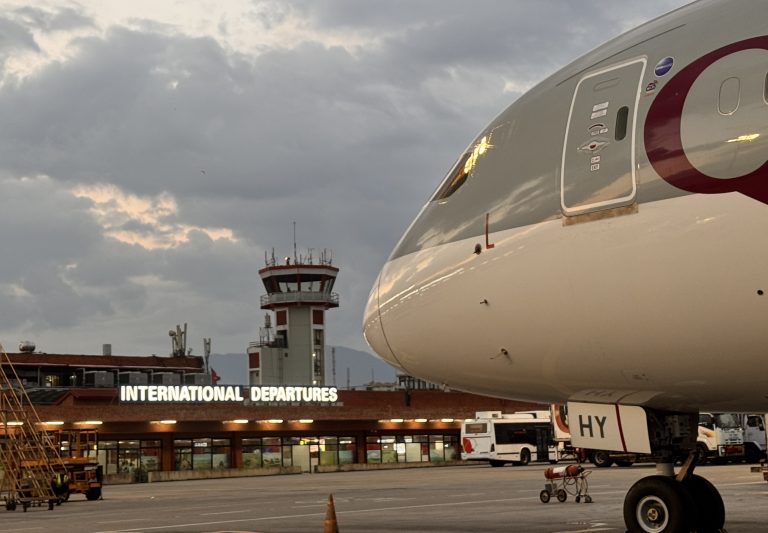
The proposed law would impose greater responsibility on airlines that transport foreign nationals to Nepal without the required visas or other necessary entry documents.
Airline operators could face fines and other penalties for bringing passengers who do not meet Nepal’s entry requirements.
The department says the provision is intended to bring Nepal’s immigration practices closer to international standards and encourage airlines to conduct more thorough checks of passengers’ travel documents before boarding.
What the Changes Could Mean for Nepal
If enacted, the proposed legislation would represent a substantial shift in how Nepal manages foreign visitors.
The digital provisions would give immigration authorities a clearer legal basis for operating automated services. The proposed FNMIS system could improve the government’s ability to locate foreign nationals during emergencies, while expanded penalties could strengthen enforcement against visa violations.
The new responsibilities for airlines and other service providers would also extend immigration compliance beyond government offices to businesses involved in international travel and tourism.
For the tourism industry, the government expects better visitor records and improved emergency coordination to strengthen safety and management.
But the effectiveness of the changes will depend on how the final legislation is written, how the information system is implemented and whether the government can ensure that businesses comply with the new requirements.
Parliamentary Approval Still Required
The Ministry of Home Affairs is preparing to finalize the draft after receiving legal advice from the Ministry of Law, Justice and Parliamentary Affairs.
The legislation must then be introduced in the House of Representatives and complete the parliamentary approval process. It will become law only after approval by Parliament and presidential authentication.
The government has published the draft for public comments, allowing stakeholders, businesses and members of the public to submit recommendations before the legislation is finalized.
The proposed overhaul reflects Nepal’s effort to bring a decades-old immigration framework into line with modern technology and the realities of increased international travel.
Whether the changes deliver a more efficient and accountable immigration system will ultimately depend on the final provisions and their implementation.