






After 53-Year Ban, Nepal’s Cannabis Industry Sees a Possible Opening

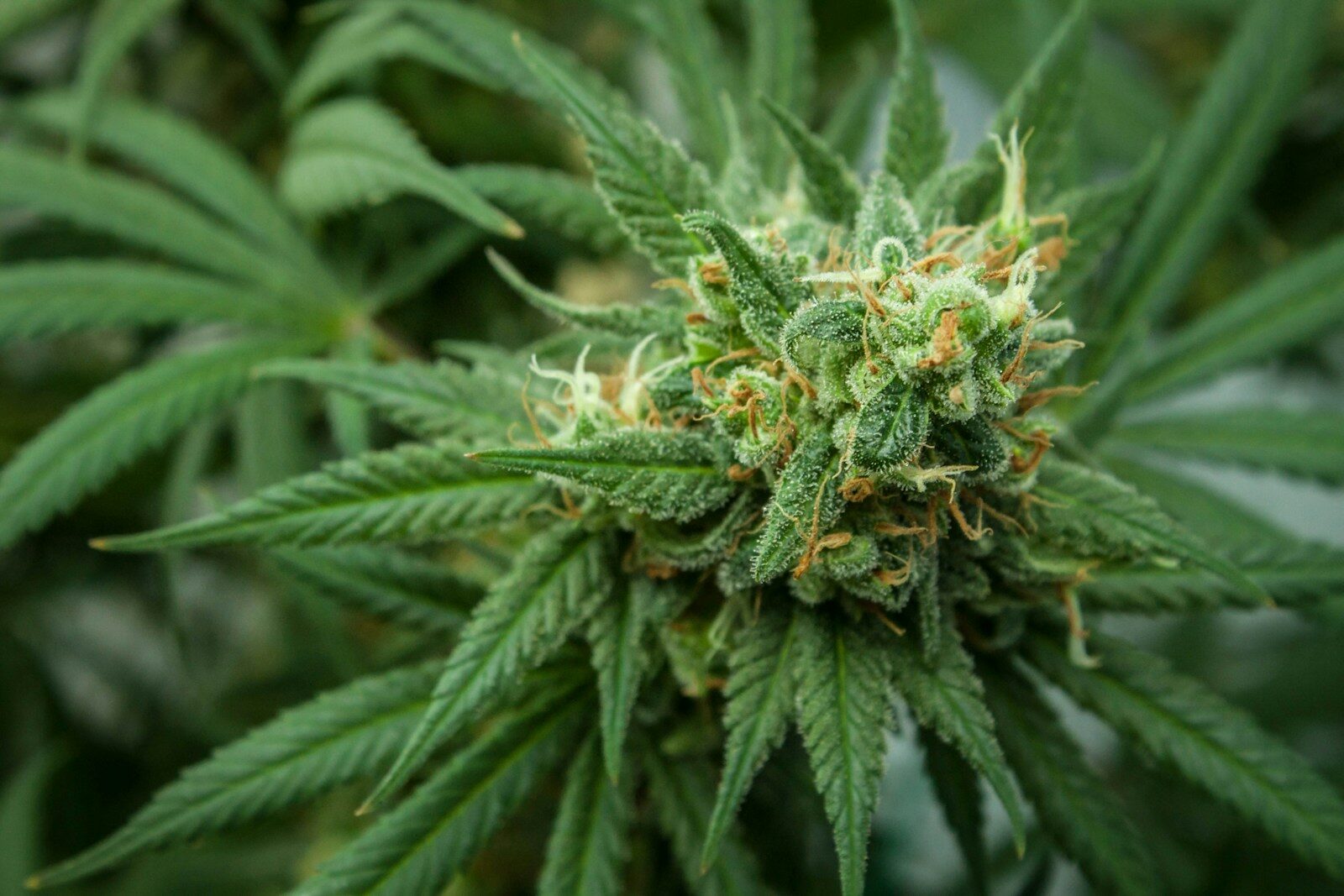
KATHMANDU, Nepal — Nepal’s Supreme Court has ordered the government to establish regulations, standards and procedures for the controlled cultivation and production of cannabis for medical, scientific, agricultural and industrial purposes within three months.
The ruling could open a new chapter in Nepal’s decades-old debate over cannabis, which has been largely prohibited since 1973. However, the court stopped short of endorsing broader legalization, rejecting a petition seeking to decriminalize cannabis cultivation, distribution and recreational use across the board.
A joint bench of Justices Dr. Nahakul Subedi and Til Prasad Shrestha issued the mandamus order, directing the government to prepare the necessary regulatory framework within three months of receiving the order.
The decision does not automatically legalize cannabis cultivation or commercial sales. Instead, it directs the government to implement provisions already contained in Nepal’s existing narcotics-control law that allow certain forms of cannabis production under government regulation and authorization.
Court Draws a Line Between Medical Use and Recreational Legalization
The court distinguished between regulated cannabis cultivation for specific purposes and the broader question of legalizing recreational marijuana.
It said decisions about removing criminal penalties for recreational use and opening cannabis cultivation and distribution generally fall within the policy-making authority of the government and Parliament.
The petitioners’ demand for comprehensive decriminalization was therefore rejected.
At the same time, the court recognized the potential medical, scientific and industrial value of cannabis and questioned the government’s failure to establish regulations despite provisions in existing law that allow certain authorized activities.
The ruling emphasizes that the government cannot indefinitely delay implementing statutory provisions simply because the law uses permissive language such as “may.” The court said the government has a responsibility to take the necessary steps to make those provisions operational.
A Law That Has Remained Largely Unimplemented for Nearly 50 Years
The ruling relies in part on provisions of Nepal’s Narcotic Drugs (Control) Act, 1976.
Section 4 of the law includes provisions allowing the government to regulate the production, collection and trade of charas derived from naturally growing cannabis in Nepal’s western hill regions through specific rules.
The court interpreted this provision as evidence that the law does not impose an absolute prohibition on every possible cannabis-related activity.
Sections 5 and 6 also provide for certain activities involving cannabis for medical and scientific purposes, subject to prescribed conditions, medical recommendations where applicable and government authorization.
However, the government has not established the regulations and standards necessary to implement these provisions in a comprehensive manner, despite nearly five decades having passed since the law was enacted.
The court’s order seeks to address that regulatory gap by requiring the government to prepare the necessary rules, standards and procedures within three months.
International Treaty Reservations and Economic Potential
The court also considered Nepal’s position under the 1961 Single Convention on Narcotic Drugs.
When Nepal joined the international treaty, it entered a reservation concerning certain provisions related to nonmedical cannabis use, production and trade. The court considered that reservation in examining Nepal’s legal and policy options for the regulated use of cannabis.
The ruling also drew on a study titled Legalization of Cannabis Cultivation in Nepal: Prospects and Challenges, prepared by the Policy Research Institute and the Nepal Health Research Council.
The study examined the potential uses of different parts of the cannabis plant, including its leaves, flowers, stalks, bark and fibers.
Cannabis could provide raw materials for medicines, paper, textiles and other industrial products, the research noted, pointing to potential economic opportunities if cultivation and production were properly regulated.
The court’s consideration of these findings adds an economic and industrial dimension to a debate that has historically focused largely on drug control and criminal penalties.
How Cannabis Became Illegal in Nepal
Cannabis was once legally cultivated, sold and consumed in Nepal.
During the 1960s and early 1970s, Kathmandu’s Jhochhen neighborhood, widely known as Freak Street, became an international destination for hippie travelers. Licensed shops sold cannabis products, and the government collected revenue from the trade.
That changed on July 16, 1973, when the government revoked licenses for businesses dealing in cannabis, bhang and charas and imposed restrictions on their trade.
Nepal was then under the Panchayat political system.
International pressure played a significant role in the historical shift toward prohibition. Accounts of the period point to the influence of the 1961 U.N. drug convention and the U.S. government’s campaign against illegal drugs under President Richard Nixon.
Concerns about growing drug use among young people also featured in the debate. Historical accounts have cited pressure related to foreign assistance as another factor behind the government’s decision.
In 1976, Nepal enacted the Narcotic Drugs (Control) Act, formally establishing criminal penalties for cannabis cultivation, production, distribution and consumption.
Criminal Penalties Remain in Place
Despite the Supreme Court’s ruling, existing criminal penalties under Section 14 of the Narcotic Drugs (Control) Act remain in force unless amended or otherwise changed through the applicable legal process.
Under the law, cultivating up to 25 cannabis plants can carry a penalty of up to one month in prison or a fine of up to 2,000 Nepali rupees. Cultivating more than 25 plants can result in up to three months in prison or a fine of up to 5,000 rupees.
Cannabis consumption can carry up to one month in prison or a fine of up to 2,000 rupees.
The law also establishes penalties for production and distribution. Production or sale involving up to 50 grams can carry up to three months in prison. Commercial transactions involving two kilograms or more can result in prison terms ranging from two to 10 years and fines of 15,000 to 100,000 rupees.
The Supreme Court’s decision does not eliminate these penalties or establish unrestricted commercial cannabis markets.
Instead, it directs the government to create a regulatory framework for specific permitted purposes, potentially allowing cultivation and production under licensing, standards and oversight.
The government’s next step will be to prepare the required regulations within the court-ordered three-month period. Those rules will determine how cannabis may be cultivated, who may obtain authorization and what standards will govern its production and use.