



Public Charge Rule Takes Effect, NY Immigration Coalition Outlines What Immigrants Need to Know

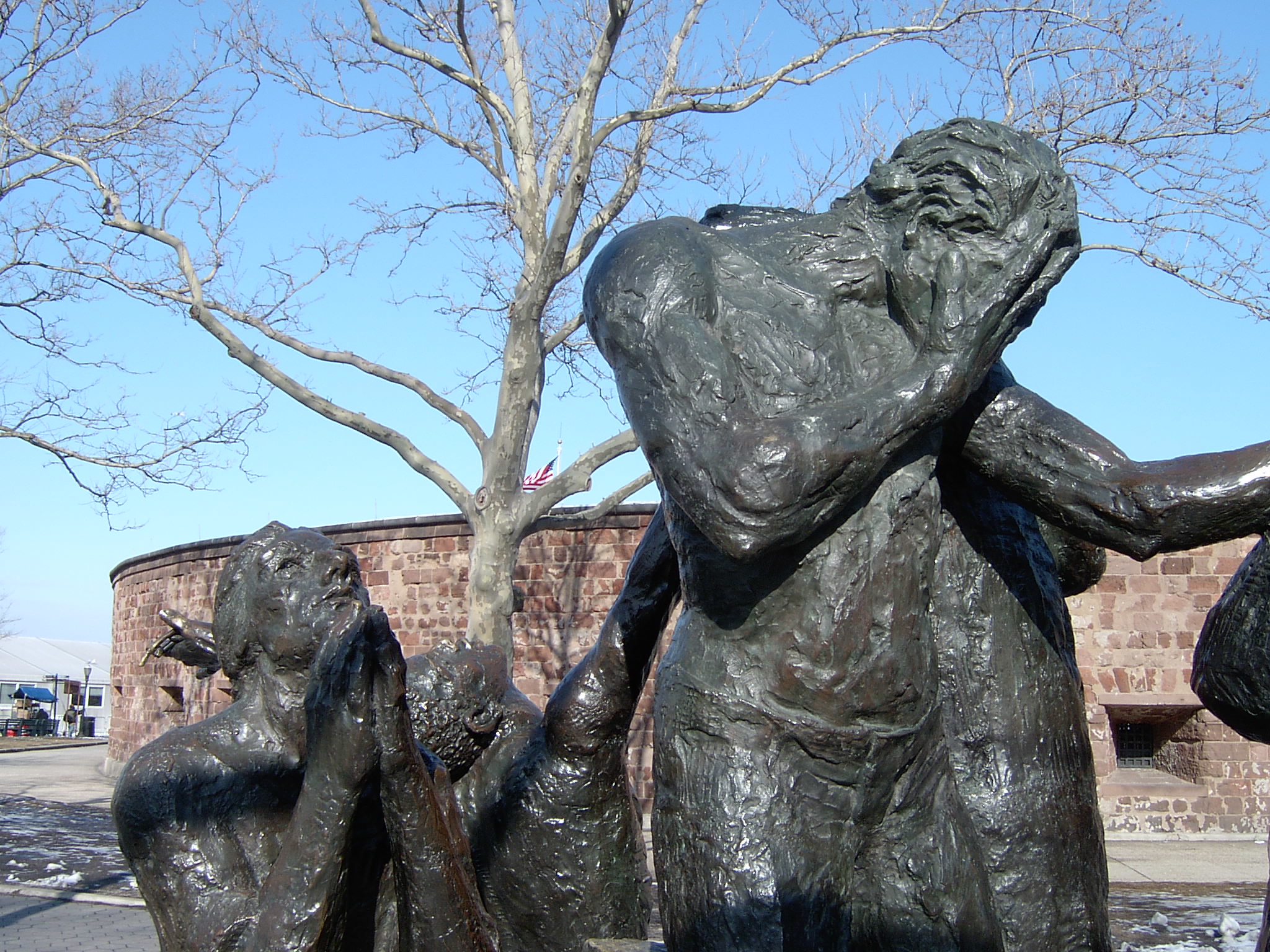
“The Immigrants,” a 1973 sculpture by Luis Sanguino near the entrance to Castle Clinton in Battery Park in New York City. Photo: melanzane1013/Flickr, CC BY-SA 2.0.
NEW YORK — A new federal public-charge rule took effect Thursday, broadening the range of public benefits that immigration officers may consider when evaluating whether certain immigrants are likely to become primarily dependent on government assistance.
The New York Immigration Coalition, an umbrella organization representing immigrant and refugee-rights groups across New York, issued guidance Friday outlining what the rule could mean for immigrant New Yorkers. The coalition said the new policy gives immigration officers greater discretion to conduct case-by-case assessments of certain applicants seeking lawful permanent residence.
The rule, issued by the Department of Homeland Security, rescinds the public-charge regulation that had been in effect since December 2022. Under the earlier standard, immigration officers generally considered an applicant’s use of cash assistance and government-funded long-term institutional care.
Under the new rule, immigration officers may consider a broader range of means-tested public benefits as part of an overall assessment of an applicant’s circumstances. Means-tested programs generally determine eligibility based on income or assets.
The coalition said the new framework could also allow officers to consider benefits received by certain dependents when evaluating an immigrant’s application. For example, benefits used by a U.S. citizen child could potentially be considered in a parent’s public-charge assessment, depending on the circumstances.
NYIC said the administration has not yet issued a complete list identifying every benefit that could be considered. The coalition said programs that could potentially become relevant include the Supplemental Nutrition Assistance Program, or SNAP; the Special Supplemental Nutrition Program for Women, Infants and Children, or WIC; Medicaid; the Children’s Health Insurance Program; Affordable Care Act marketplace coverage; Section 8 housing assistance; the Home Energy Assistance Program; and certain education and tax benefits.
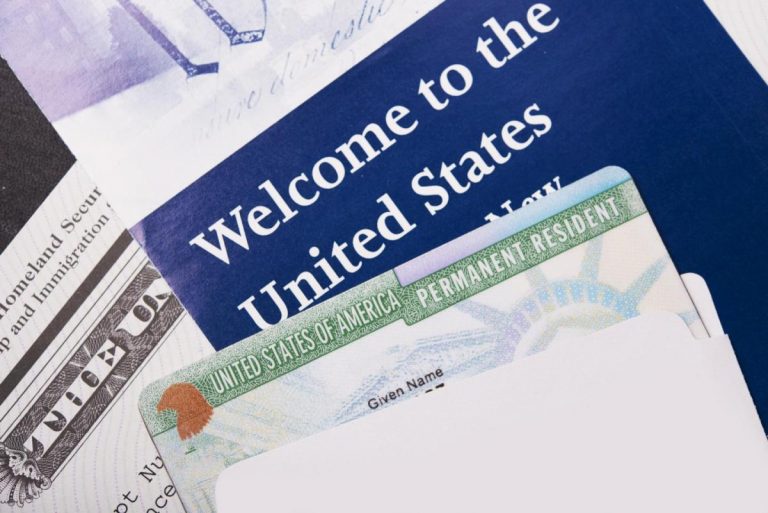
The coalition has emphasized that many immigrants will never face a public-charge determination. The new rule does not expand the categories of people subject to the test, according to NYIC. More than two dozen immigration categories remain exempt.
The public-charge test generally applies in certain immigration processes involving admission to the United States or adjustment of status to lawful permanent residence. The new rule applies to adjustment-of-status applications filed on or after Sept. 18, according to NYIC.
The rule may also become relevant to some lawful permanent residents who leave the United States for 180 days or more before seeking to return, as well as in certain other circumstances. NYIC recommends that green card holders planning extended travel seek legal advice about how the rule may affect them.
The public-charge test does not apply to U.S. citizens. NYIC also identifies refugees, asylees, certain survivors of domestic violence, trafficking or serious crimes, people covered by the Violence Against Women Act, T- and U-visa holders, and certain children and young adults with Special Immigrant Juvenile classification among the categories exempt from the test.
NYIC said receiving a public benefit does not automatically make someone ineligible for a green card. A public-charge determination is based on an assessment of the circumstances of the individual case, rather than a simple determination that an applicant has received benefits.
The coalition has advised immigrants not to stop using benefits or withdraw from programs solely because of concerns about the rule. Instead, it recommends consulting an immigration attorney or qualified legal-services provider before making decisions about public benefits or immigration applications.
New Yorkers seeking free legal assistance can call the Mayor’s Office of Immigrant Affairs Immigration Legal Support Hotline at 800-354-0365. Residents can also call 311 and say “Immigration Legal” to be connected with free, confidential legal assistance in their preferred language.
The New York State Office for New Americans Hotline is available at 800-566-7636 for referrals to legal assistance.
The New York Immigration Coalition is a statewide immigrant-rights organization representing more than 200 immigrant and refugee-rights groups in New York. Its public-charge guidance is informational and is not a substitute for individualized legal advice.
The New York Immigration Coalition has also published information sheets explaining the changes. The materials, updated by AAF and translated into 14 languages, explain what public charge is, how it can affect immigrants applying for green cards or lawful permanent resident status and where immigrants can seek legal support.