


After Nepal Floods Closed a Key Route From Tibet, Travelers Turn to an Older Border Crossing

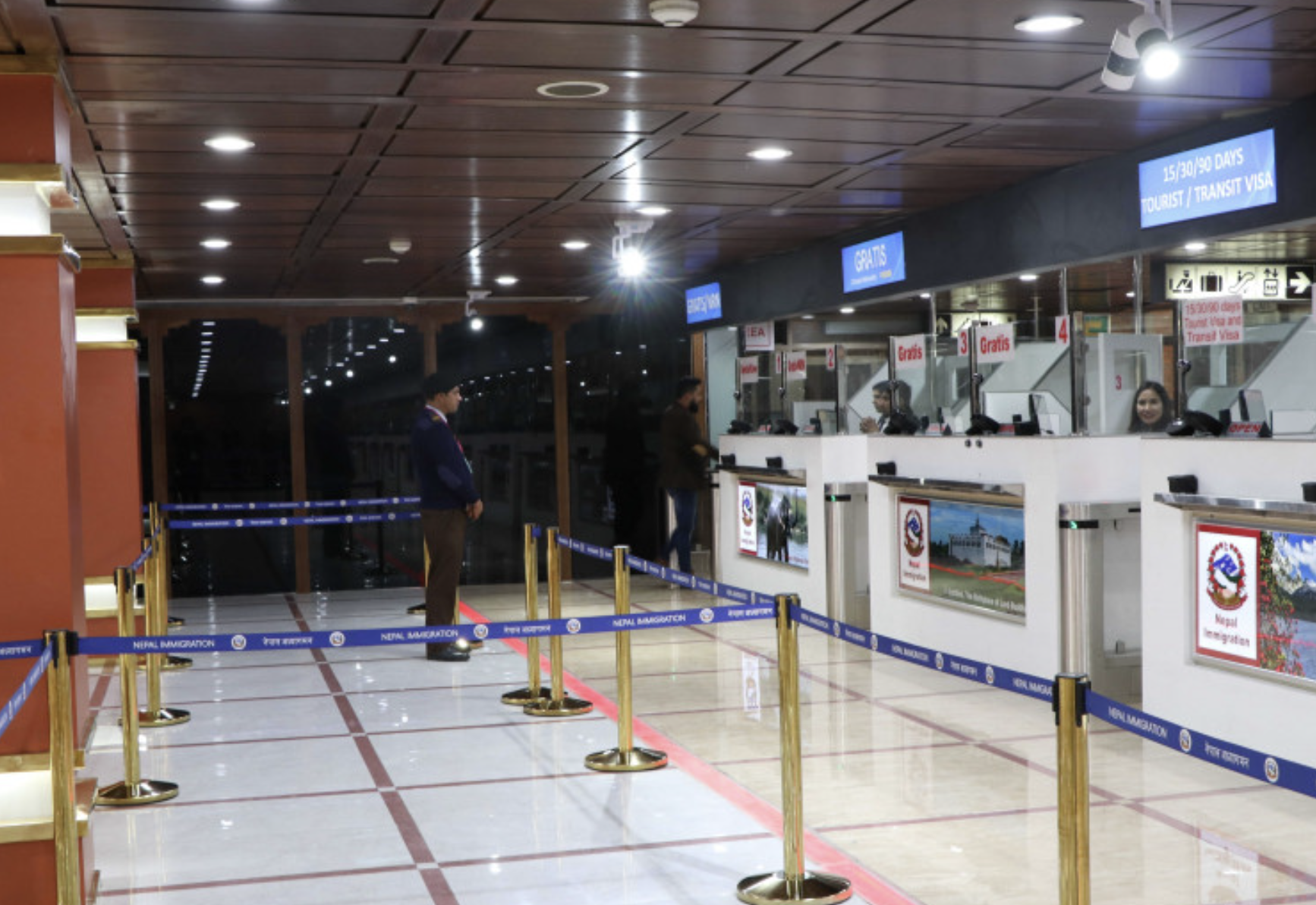
The Nepal Immigration Office at Kodari, near the Tatopani-Zhangmu border crossing in Sindhupalchok District, Nepal.
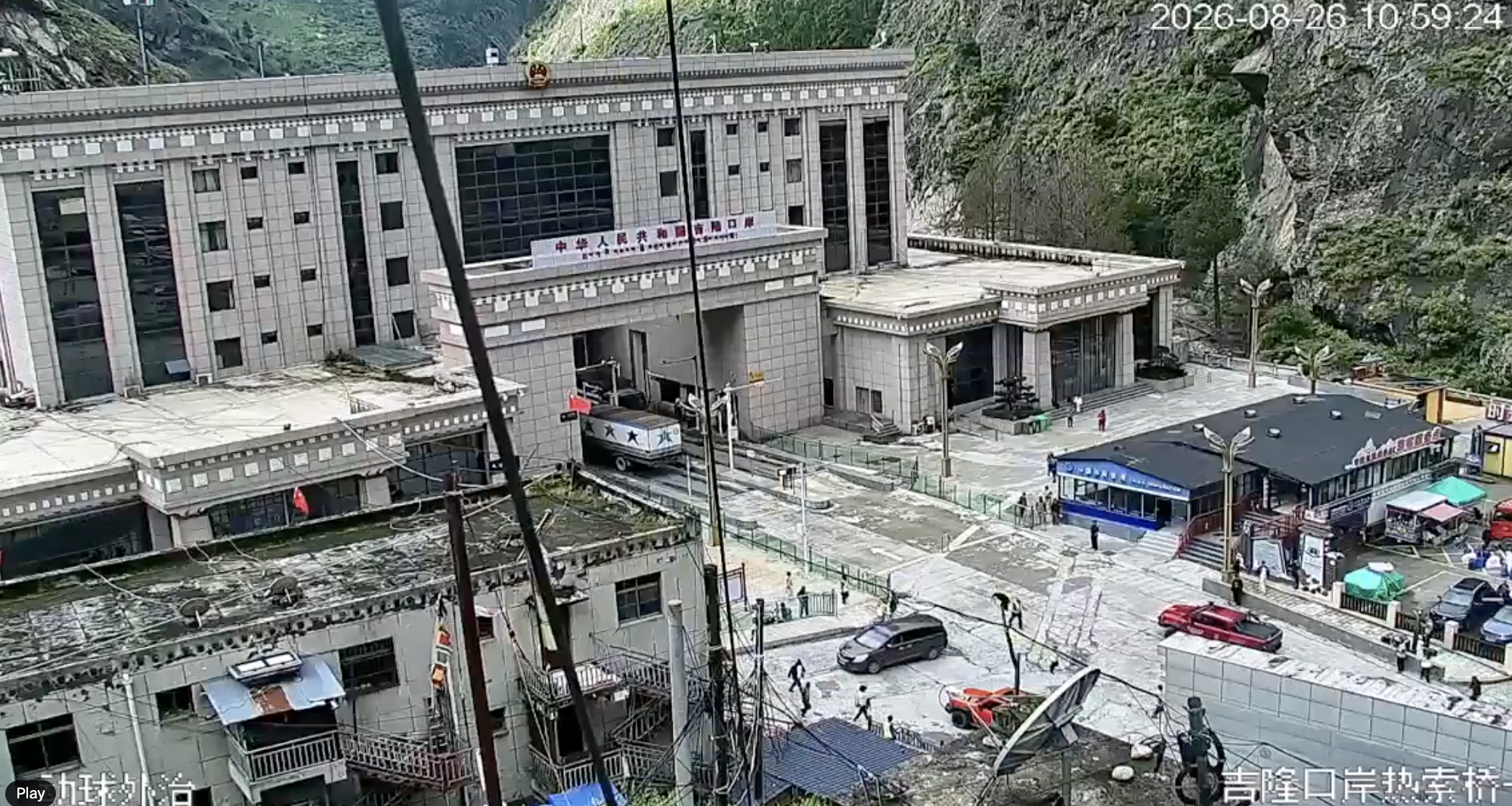
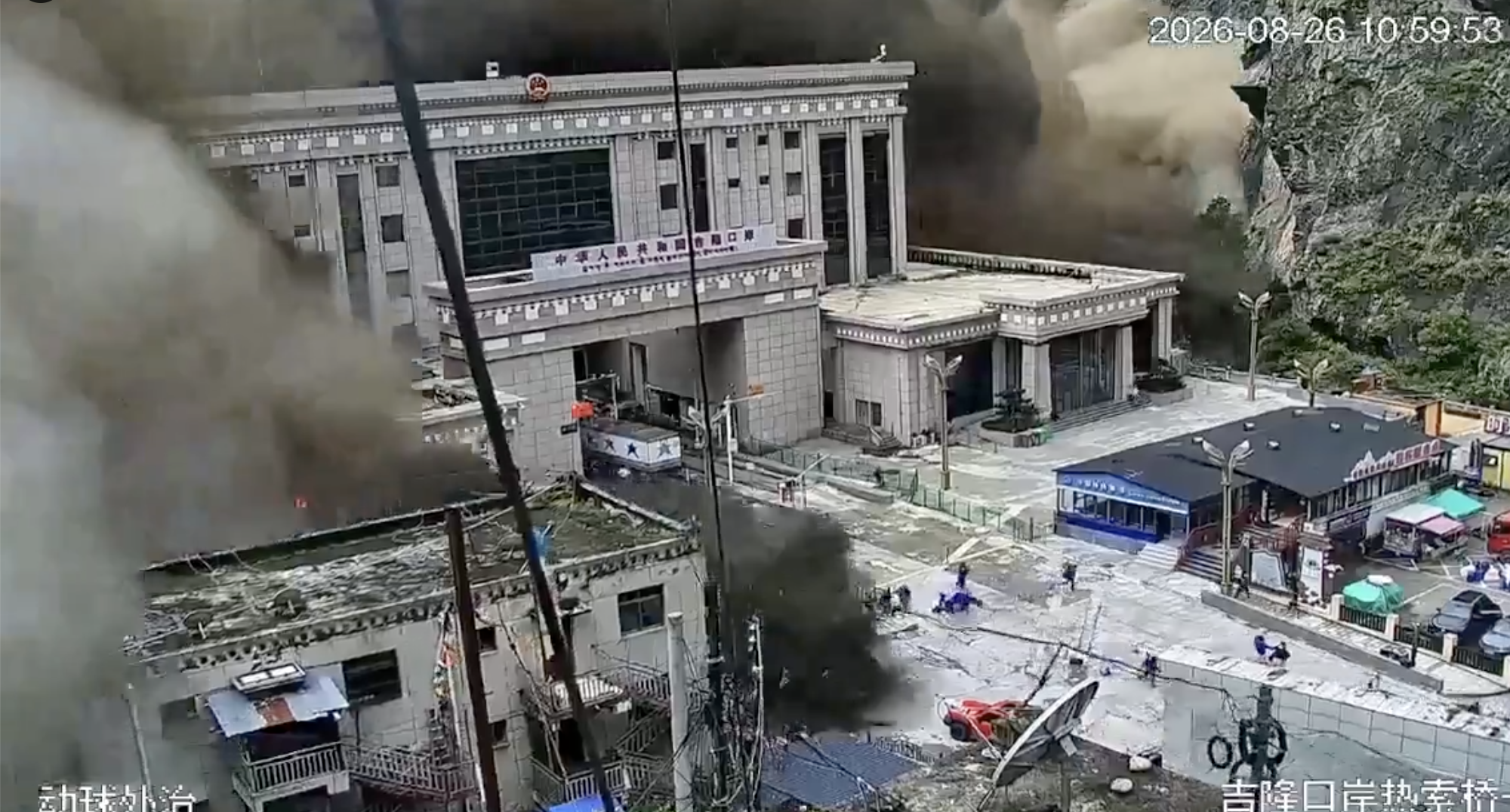
KATHMANDU, Nepal — A devastating flood that tore through Nepal’s northern Rasuwagadhi border area on Aug. 26 destroyed the immigration office and critical trade infrastructure, left four immigration employees missing, and sharply increased passenger and rescue traffic at the Tatopani-Kodari border crossing in Sindhupalchok District, officials said.
Rasuwagadhi is one of Nepal’s two main overland crossings with China. The Nepali immigration office was located in Ghatte Khola Bazar, about 1.5 kilometers north of Timure and roughly two kilometers south of the Friendship Bridge, also known as the Miteri Bridge, which links Nepal with Gyirong, also known as Kerung, in Tibet.
The Rasuwagadhi-Kerung border port was formally opened as a bilateral trade crossing in December 2014. It became Nepal’s primary land trade route with China after the April 2015 earthquake severely damaged and shut down the older Tatopani-Kodari crossing. In August 2017, China upgraded Rasuwagadhi-Kerung to an international port, allowing foreign tourists from countries other than Nepal and China to cross.
The crossing later faced prolonged restrictions during the coronavirus pandemic. On April 1, 2023, it officially reopened for two-way passenger and human movement, restoring a major overland route between Nepal and Tibet.
The crossing was also a major gateway for travelers heading from Nepal to Mount Kailash and Lake Manasarovar. Before the disaster, the overland pilgrimage route generally ran from Kathmandu through Rasuwagadhi and Gyirong, then across Tibet through Saga toward Lake Manasarovar and Darchen, the base for the Mount Kailash pilgrimage.
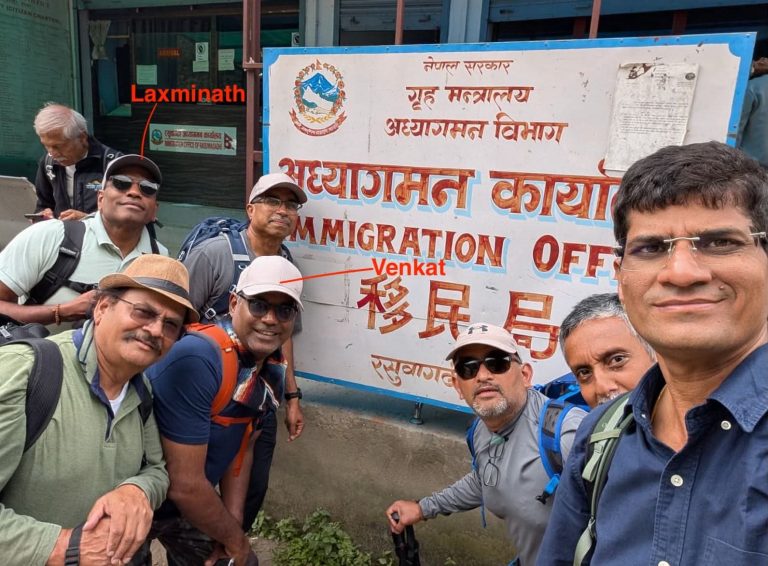
The flood destroyed infrastructure at Gyirong Port, including critical customs and border facilities on both sides, effectively severing the principal overland corridor from Nepal to Tibet used by Kailash Mansarovar pilgrims.
A Route From Nepal to Tibet Is Cut Off
Tatopani, Nepal’s other major border crossing with China, is in Kodari, Sindhupalchok District, opposite Zhangmu, also known as Khasa, in Tibet. The crossing is about 115 kilometers from Kathmandu, compared with roughly 145 kilometers to Rasuwagadhi.
Tatopani was historically an important route from Nepal to Tibet, including the Kailash region. But the Tatopani-Zhangmu route was largely displaced by the Rasuwagadhi-Gyirong corridor after the 2015 earthquake.
The shift was part of a broader reorientation of Nepal’s overland trade and passenger movement with China. After the 2015 earthquake damaged the Tatopani route, Rasuwagadhi became the country’s principal land gateway to China, increasing its importance not only for cargo but also for tourism, pilgrimage and cross-border passenger movement.
Its renewed use following the destruction of the Rasuwagadhi route has therefore marked a significant shift in the movement of travelers and pilgrims between Nepal and Tibet.
The disaster damaged infrastructure on both the Nepali and Chinese sides of the Rasuwagadhi-Gyirong crossing and forced Kailash Mansarovar pilgrims, foreign tourists and other travelers to seek alternative routes. Some stranded Nepalis have also been allowed to return through Tatopani.
Four Immigration Employees Remain Missing
The body of Yadav Bhandari, the chief immigration officer at the Rasuwagadhi Immigration Office, has been recovered, according to Tikaram Dhakal, a spokesman for Nepal’s Department of Immigration. Mr. Bhandari’s family has completed the 13-day mourning rites traditionally observed after a death.
Three other employees — senior immigration assistant Durgaprasad Pokharel, Kharidar Parbati and an office assistant — remain missing more than two weeks after the disaster, Mr. Dhakal said. Search operations are continuing, although officials say the likelihood of finding them alive is diminishing.
Another senior immigration assistant, Tika Ram Pokharel, survived because he was in Kathmandu when the flood struck.
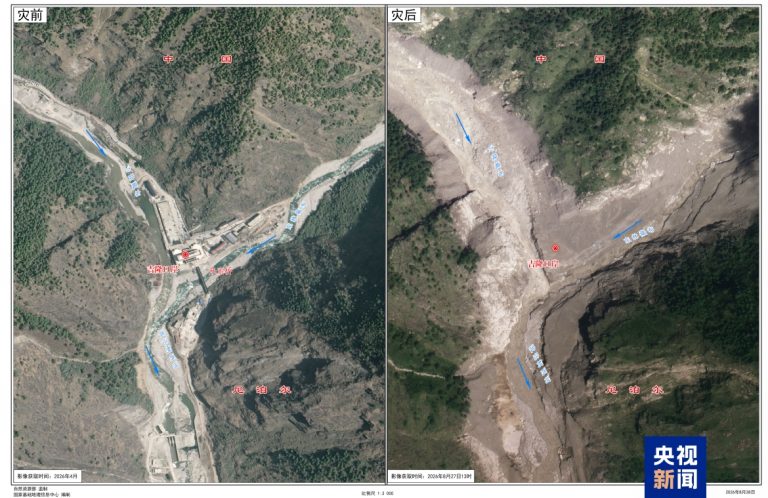
The Rasuwagadhi Immigration Office operated from rented premises rather than a government-owned building. One flat in a private house served as the office, while two rooms on an upper floor were used for storage, Mr. Dhakal said.
The flood swept away the entire building, leaving no trace of the office or its infrastructure.
Among the equipment and records destroyed or lost were passport-reading machines, visa printers, computers, networking equipment, visa stickers, 24-hour entry passes issued to residents of border areas and other official documents.
A government motorcycle and other office equipment were also swept away.
The Department of Immigration is preparing an inventory to determine which government property should be written off as destroyed or recorded as missing under government rules.
Tatopani Takes on the Traffic
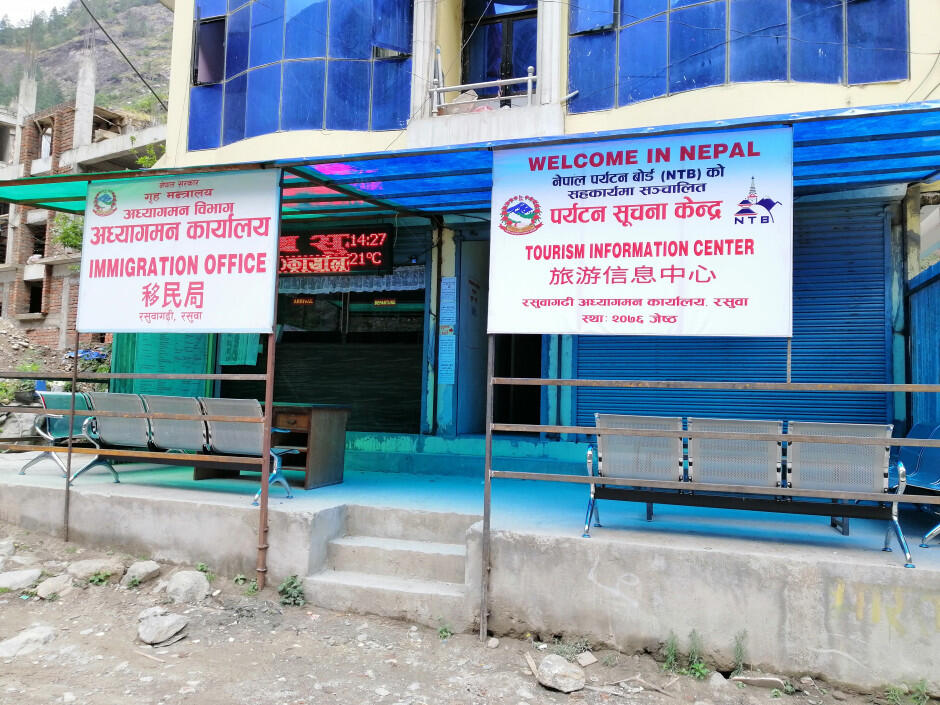
With Rasuwagadhi closed, the Tatopani Immigration Office in Kodari has faced a sharp increase in travelers.
The crossing, near the Nepal-China Friendship Bridge, connects Nepal with Zhangmu, or Khasa, in Tibet. It is one of Nepal’s closest overland crossings to Kathmandu and has become an important alternative for passenger movement after the destruction of the Rasuwagadhi-Gyirong corridor.
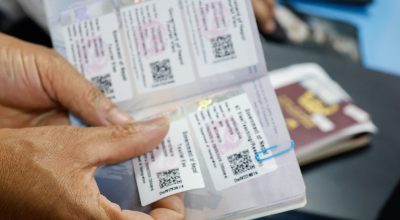
Tatopani normally handles about 150 travelers a day. Since the Rasuwagadhi closure, thousands have passed through the crossing, including Indian nationals returning from Kailash Mansarovar pilgrimages and tourists from Australia, Spain and other countries, officials said.
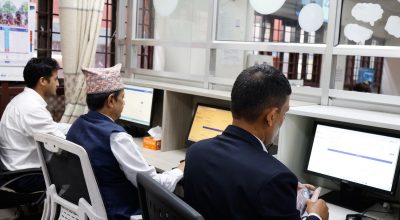
The Department of Immigration has added service counters and activated additional software systems to handle the increased volume of travelers.
Authorities have also accelerated efforts to bring home Nepali citizens stranded in the Kerung area of Gyirong County in Tibet.
In coordination with Chinese authorities, Nepal has allowed travelers to enter through Tatopani if they crossed into China using local Rasuwagadhi border passes but did not have passports, Mr. Dhakal said.
More than 700 Nepalis have been brought back through Tatopani since early September from the Kerung area, officials said. The number of Nepalis stranded there has been estimated at several hundred to as many as 1,700, with arrangements underway for those who remain.
China Moves Border Operations Uphill
The flooding also damaged infrastructure on the Chinese side of the border. Chinese authorities have relocated parts of their immigration and customs operations serving the Tatopani-Zhangmu area, officials said.
The Chinese customs and immigration point, previously located near the Friendship Bridge, has reportedly been moved about seven kilometers uphill.
China is also expanding roads, constructing large retaining walls and increasing capacity in the Khasa market area, according to officials familiar with border operations.
Chinese authorities are expected to maintain a passenger-processing branch near the Friendship Bridge while keeping the main customs facility at the relocated site.
Trade Remains Stalled as Landslide Risks Persist
Large-scale commercial movement and container traffic through Tatopani have remained largely suspended or restricted since the Aug. 26 disaster, with additional closures and limitations because of landslide risks.
Landslides and erosion at locations including Iku, Tatlang and Khatte Khola have disrupted transportation along the Nepali side of the border route. For the time being, Korala in Mustang has become Nepal’s primary remaining overland trade route to China.
The disaster has also battered the local economy.
Many Tatopani traders and trekking workers were involved in, or affected by, incidents in the Rasuwagadhi area, leaving the community in mourning, residents said.
Shops, hotels and commercial showrooms in Tatopani have closed, while some residents have begun moving to Kathmandu and Bahrabise, according to local accounts.
Border Workers Remain in a High-Risk Zone
Police officers and immigration workers stationed at the border continue to operate under the threat of floods and landslides.
Because of safety concerns, staff do not stay overnight at the border office. Instead, they walk about 45 minutes each evening to a higher, safer village.
Officials have discussed moving the border facilities to safer ground. But they have not identified secure terrain along the 22-kilometer stretch between Bahrabise and the Tatopani border point, leaving workers to provide services in a high-risk area.
With the Rasuwagadhi-Gyirong corridor — the principal overland route from Nepal to Tibet and onward to Kailash Mansarovar — unlikely to reopen soon, the disaster has shifted pressure to Tatopani while leaving the future of trade, pilgrimage travel and immigration services along Nepal’s northern frontier uncertain.