






Trump Proposal Could Make Nonimmigrant Worker Visa Extensions Harder

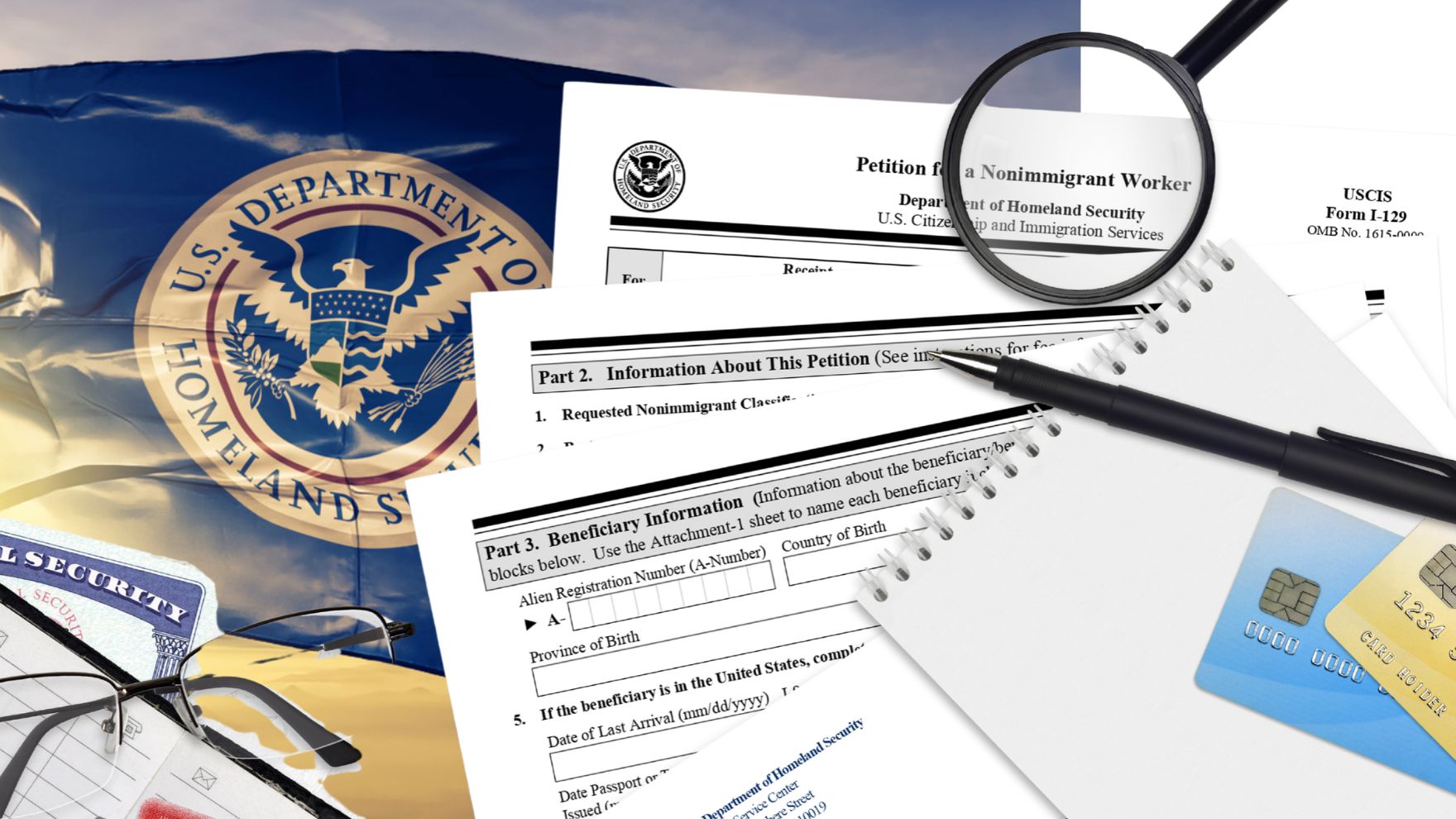
The Trump administration has proposed eliminating a longstanding policy that generally gives deference to previous approvals of immigration petitions, a change that could make it harder for employers to extend the status of nonimmigrant workers and increase the risk of delays, requests for additional evidence and denials.
The proposal, published Oct. 14 in the Federal Register by the Department of Homeland Security, would change how U.S. Citizenship and Immigration Services evaluates Form I-129 petitions for nonimmigrant workers, including those in the H-1B, L-1 and O-1 visa categories.
It is the Trump administration’s third attempt to eliminate the policy, which generally requires immigration officers to give weight to previous approvals when the same employer and worker submit a petition based on substantially unchanged facts and circumstances.
Under the proposed rule, USCIS officers would no longer be required to defer to a previous approval when adjudicating a subsequent petition. Instead, they could reassess whether a worker qualifies for the requested nonimmigrant classification, even if the circumstances have not materially changed since the earlier approval.
The proposal would not prevent officers from considering previous approvals as relevant evidence. But it would remove the regulatory requirement to give those decisions deference.
The department says the change would allow officers to evaluate each petition independently and ensure that applicants meet the requirements for the immigration benefits they seek.
More Scrutiny for Extension Petitions
If finalized, the rule could lead to more requests for evidence, longer processing times and a greater risk of denials for Form I-129 petitions. The effects could be particularly significant for nonimmigrant workers seeking extensions of their authorized stay.
A request for evidence, or RFE, is a notice from USCIS asking an applicant or employer to provide additional documentation before the agency makes a decision. Receiving an RFE does not mean a petition has been denied, but responding can require additional time, documentation and legal expenses.
The potential impact is significant for employers that rely on nonimmigrant workers to fill specialized positions and maintain ongoing projects. Greater uncertainty over whether workers can extend their nonimmigrant status could complicate staffing decisions, project schedules and long-term workforce planning.
After the first Trump administration rescinded the deference policy in 2017, the denial rate for H-1B extension petitions reached 24%. The current rate is about 3.5%.
The denial rate for L-1B petitions, which are used to transfer employees with specialized knowledge within multinational companies, reached 35% after the policy change. The current rate is about 9%.
A Policy Repeatedly Reversed
USCIS has generally followed the deference policy since 2004. Under the longstanding approach, officers were expected to give weight to prior approvals unless there had been a material change in circumstances affecting a worker’s eligibility, a significant error in the earlier decision or new information that adversely affected eligibility.
In October 2017, during President Donald Trump’s first administration, USCIS rescinded the policy. The change gave officers broader authority to reassess a worker’s eligibility whenever an employer filed an extension petition, even when the facts had not changed since the original approval.
President Joe Biden’s administration reinstated the policy in April 2021. Under the restored approach, officers generally had to obtain supervisory approval before departing from a previous approval involving the same facts and circumstances.
In December 2024, the Biden administration incorporated and expanded the deference policy through a final rule modernizing the H-1B program. The regulation made the policy part of the federal rules governing Form I-129 adjudications, rather than leaving it solely as an agency policy.
The current regulation applies to USCIS adjudications involving the same parties and facts, not just applications to extend a nonimmigrant worker’s stay.
During Trump’s second administration, DHS proposed eliminating the deference regulation in August 2025 as part of a separate rulemaking process. The department did not include that change in the final version of that rule and is now pursuing the elimination of deference through a separate proposal.
Public Comments Due Nov. 13
The Department of Homeland Security is accepting public comments on the proposed rule through Nov. 13, 2026, according to the Federal Register notice.
Employers, business groups, immigration attorneys and other interested parties can submit comments on the proposal and its potential effects on nonimmigrant workers, business operations and U.S. competitiveness.
The proposal is not yet a final rule and does not change the existing requirements for Form I-129 petitions. The administration must review public comments and complete the rulemaking process before any final regulation takes effect.