






USCIS Allows Employment-Based Green Card Applicants to Use Dates for Filing in October

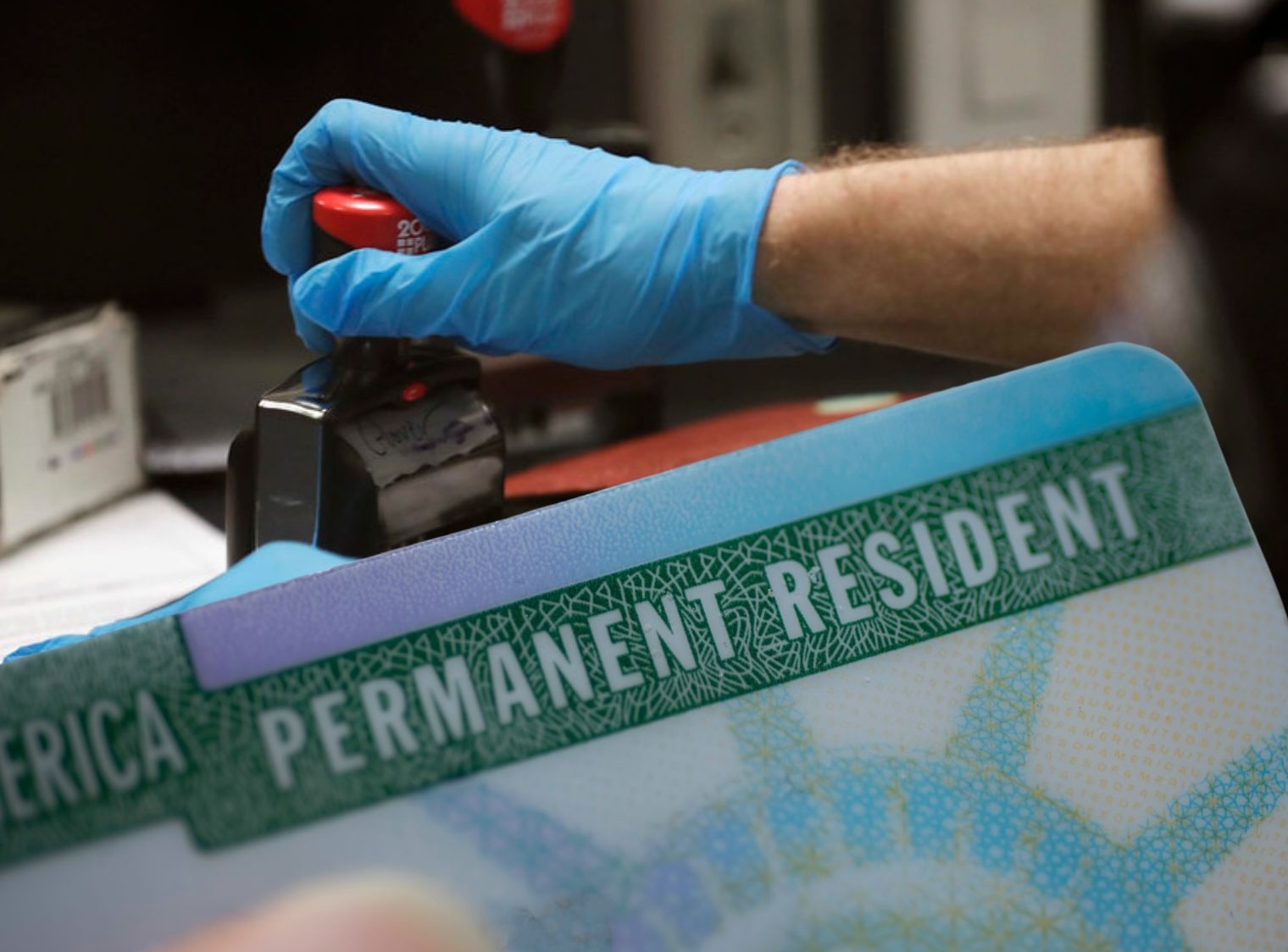
NEW YORK — Employment-based green card applicants in the United States will have a wider window to file adjustment-of-status applications in October after U.S. Citizenship and Immigration Services decided to allow applicants to use the Dates for Filing chart.
The change is significant for Nepali and other employment-based applicants because USCIS had directed applicants to use the Final Action Dates chart from May through September 2026. In October, applicants may instead use the Dates for Filing chart to determine whether they can submit their adjustment-of-status applications.
The distinction between the two charts is important. The Dates for Filing chart determines when an applicant may submit an adjustment-of-status application, while the Final Action Dates chart determines when a visa number may become available for final approval.
Under the October 2026 Visa Bulletin issued by the U.S. Department of State, the Dates for Filing chart shows significant differences from the Final Action Dates chart in several employment-based categories.
For the Employment-Based First Preference (EB-1) category, the Dates for Filing chart is current for applicants from All Chargeability Areas Except Those Listed, as well as Mexico and the Philippines. For China and India, the cutoff date is July 1, 2024. Under the Final Action Dates chart, China is at July 1, 2023, while India is at February 1, 2023.
The largest filing-date difference appears in the Employment-Based Second Preference (EB-2) category. For All Chargeability Areas Except Those Listed, including Nepal, the Dates for Filing cutoff is March 15, 2026. The same date applies to Mexico and the Philippines. For China, the cutoff is January 1, 2023, and for India, it is January 15, 2015.
The corresponding Final Action Dates are January 1, 2025, for All Chargeability Areas Except Those Listed, Mexico and the Philippines; October 1, 2021, for China; and November 1, 2013, for India.
For the Employment-Based Third Preference (EB-3) category, the Dates for Filing cutoff is August 1, 2024, for All Chargeability Areas Except Those Listed, including Nepal, and for Mexico. The cutoff is April 1, 2024, for China, January 15, 2015, for India, and January 1, 2024, for the Philippines.
The corresponding Final Action Dates are May 15, 2024, for All Chargeability Areas Except Those Listed and Mexico; January 8, 2022, for China; January 1, 2014, for India; and August 15, 2023, for the Philippines.
Within EB-3, the Other Workers subcategory has a Dates for Filing cutoff of June 1, 2022, for All Chargeability Areas Except Those Listed, Mexico and the Philippines. The cutoff is October 1, 2020, for China and January 15, 2015, for India.
The Final Action Date for All Chargeability Areas Except Those Listed, Mexico and the Philippines is January 1, 2022. China is at October 1, 2019, and India is at January 1, 2014.
For the Employment-Based Fourth Preference (EB-4) category, the October Dates for Filing cutoff is January 1, 2025, across all listed chargeability areas. The Final Action Date is December 15, 2022.
The same dates apply to the Certain Religious Workers category. The State Department also notes that the Employment-Based Fourth Preference Certain Religious Workers (SR) program has been extended through Dec. 11, 2026.
For the Employment-Based Fifth Preference (EB-5) Unreserved category, the Dates for Filing chart is current for All Chargeability Areas Except Those Listed, Mexico and the Philippines. China’s cutoff is March 1, 2021, and India’s is May 1, 2024.
Under the Final Action Dates chart, EB-5 Unreserved is current for All Chargeability Areas Except Those Listed, Mexico and the Philippines. China has a Final Action Date of December 1, 2016, and India has a date of December 1, 2023.
The EB-5 set-aside categories — Rural, High Unemployment and Infrastructure — are current under the Dates for Filing chart for all listed chargeability areas.
For applicants eligible to adjust status inside the United States, using the Dates for Filing chart can allow them to submit Form I-485 earlier than they could if USCIS were using the Final Action Dates chart.
For example, an EB-2 applicant chargeable to All Chargeability Areas Except Those Listed, including Nepal, may file in October if the applicant’s priority date is earlier than March 15, 2026. The Final Action Date for the same category is January 1, 2025.
Similarly, an EB-3 applicant in the same chargeability group may file if the priority date is earlier than August 1, 2024, while the Final Action Date is May 15, 2024.
However, eligibility to file under the Dates for Filing chart does not mean that the green card can be approved immediately. Final approval remains subject to visa-number availability under the Final Action Dates chart and other eligibility requirements.
The State Department explains that a category listed as “C,” or current, means visa numbers are available to all qualified applicants. When a specific date is listed, an applicant generally must have a priority date earlier than that date.
The October bulletin marks the beginning of fiscal year 2027. The State Department said the Dates for Filing and Final Action Dates have advanced in several immigrant visa categories with the availability of new fiscal-year visa numbers.
At the same time, some employment-based categories for countries other than those separately listed have retrogressed to keep visa issuances within the quarterly and annual limits for fiscal year 2027. The department said it will continue to monitor demand and make adjustments as necessary.
Under the Immigration and Nationality Act, the worldwide employment-based preference level is at least 140,000 annually. The general per-country limit for preference immigrants is 7 percent of the combined annual family-sponsored and employment-based preference limits.
For employment-based applicants, the October decision to use the Dates for Filing chart creates an earlier filing opportunity in several categories, while the Final Action Dates continue to determine when immigrant visa numbers are available for final approval.