
Foreign Journalists Seeking U.S. Visas Must Make Social Media Public Starting Oct. 1


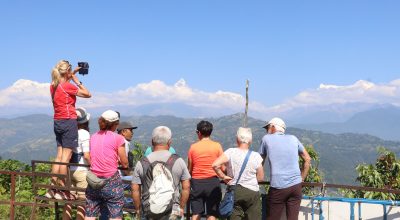
Photo by The Climate Reality Project
Foreign journalists applying for U.S. media visas will be required to make their social media accounts publicly viewable beginning Oct. 1 under an expanded visa-screening policy announced by the U.S. State Department.
The policy applies to applicants for I visas, which are generally issued to representatives of foreign news organizations working temporarily in the United States. It also covers applicants for TN professional visas and TD visas for dependents of certain Canadian and Mexican professionals covered by the U.S.-Mexico-Canada Agreement.
The State Department said applicants in those categories should set the privacy controls on all social media profiles to “public” or “open” to allow officials to review their online presence during visa processing.
The announcement, updated Sept. 18, expands a screening practice already used for several other nonimmigrant visa categories, including student, temporary worker, exchange visitor, fiancé, religious worker and cultural-exchange visas, as well as certain categories involving crime and trafficking victims, witnesses and informants.
For Journalists, a New Layer of Visa Scrutiny
The change affects foreign correspondents, editors, photographers and other media workers who seek I visas for journalistic assignments in the United States.
I visas are generally issued to representatives of foreign news media whose work is essential to their organizations, including reporting, filming and editing. Their publicly accessible social media content may now be reviewed as part of the visa adjudication process.
The State Department has not specified which platforms will be reviewed, how far back officials may examine posts or whether applicants will be required to provide specific account identifiers. The department also has not announced a separate exemption for journalists whose work involves confidential sources, sensitive reporting or security concerns.
Journalists applying for visas should review the privacy settings on their personal and professional accounts before their interviews. Making an account public can expose posts, contact lists and other information to a broader audience.
The State Department’s Case for Broader Screening
The department said it uses “every available source of information” when screening visa applicants to identify people who may be inadmissible to the United States, including those considered threats to national security or public safety.
“Every visa adjudication is fundamentally a national security decision,” the department said, adding that applicants must establish their eligibility and demonstrate an intent to comply with the terms of their admission.
The department also said a U.S. visa is “a privilege granted at the government’s discretion, not an entitlement.”
Who Was Already Subject to Online Screening
Before the latest expansion, the State Department said online-presence reviews already applied to several nonimmigrant visa categories. They included A-3, C-3 and G-5 visas for certain domestic workers employed by diplomats and international officials; F and M student visas and their dependents; H-1B, H-3 and related H-4 visas; J exchange visitor and J-2 dependent visas; K fiancé and certain dependent visas; Q international cultural-exchange visas; R religious-worker visas; and S, T and U categories involving certain witnesses, informants and victims of crime or trafficking.
The expanded requirement takes effect Oct. 1 and will apply to foreign media applicants in the I visa category, along with TN and TD applicants covered by the announcement.