
Amid Visitor Visa Restrictions, Nepali Artists Continue to Receive P-3 Visas; Shiva and Samikshya Bring Their Music to the U.S.

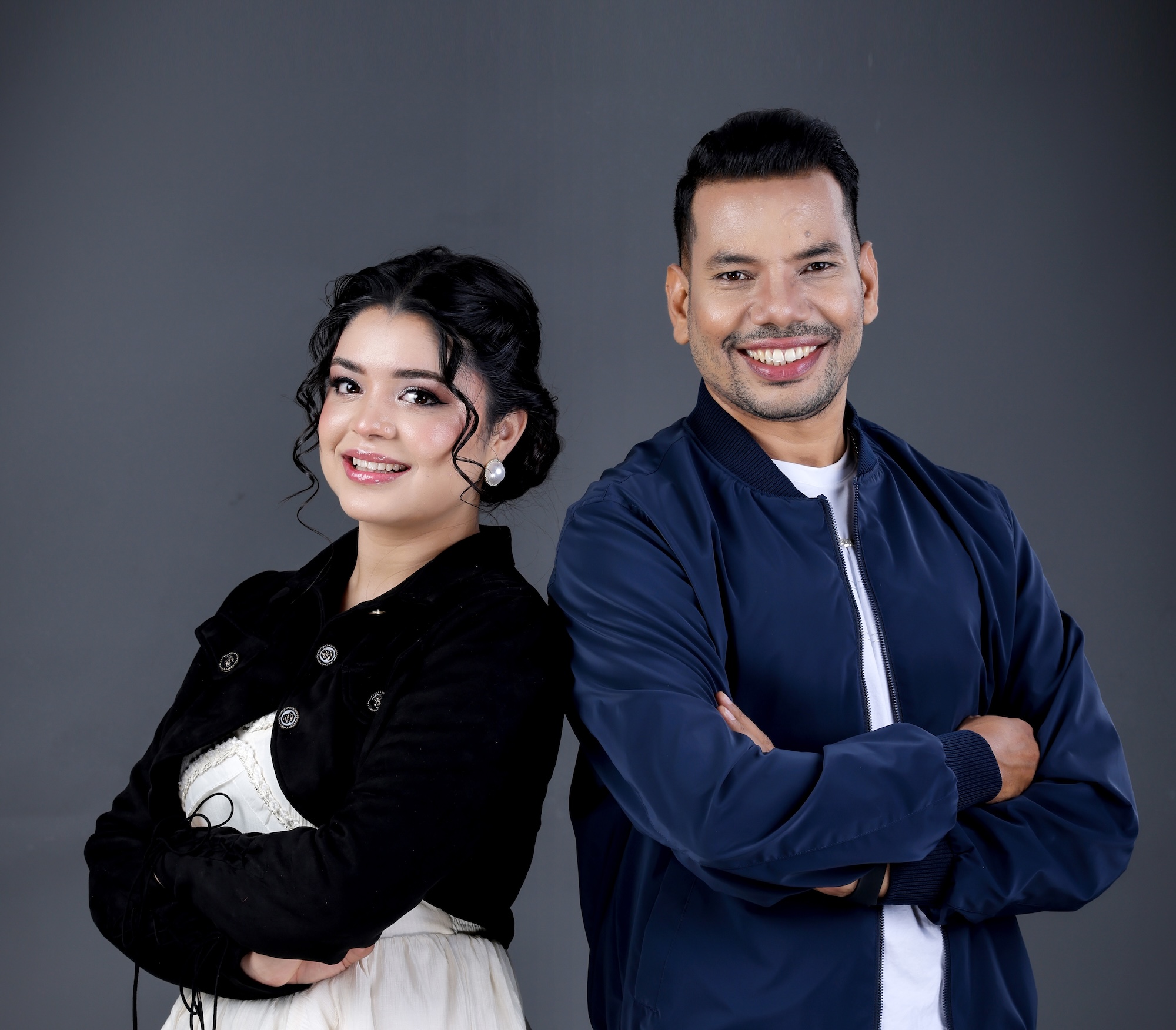
Singer Shiva Pariyar and singer Samikshya Adhikari prepare for a musical performance in New York. Photo by Badri Thapa.
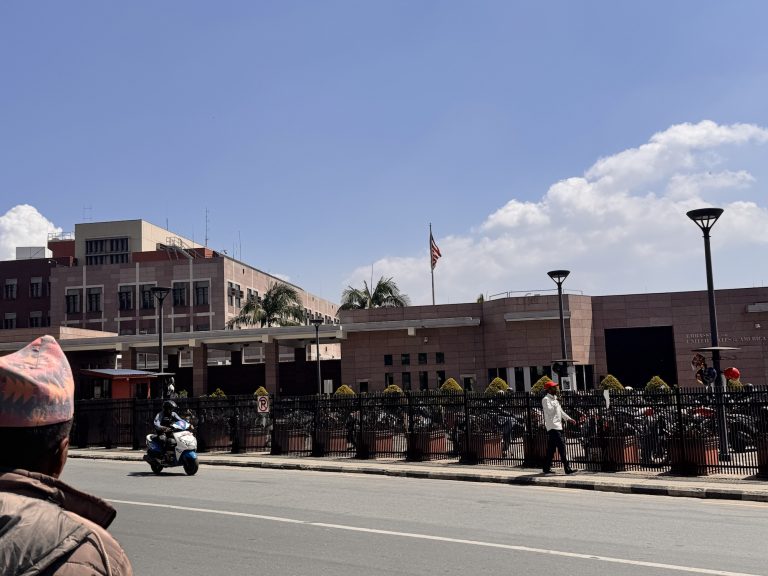
NEW YORK — As the United States has imposed a visitor-visa bond requirement on Nepali nationals and restricted the issuance of visitor visas to Nepal, a significant number of Nepali artists have traveled to the country under P-3 visas to perform professionally.
Among them are Shiva Pariyar, an established Nepali singer, and Samikshya Adhikari, a popular singer from a younger generation. The two are currently touring the United States as part of the “Dashain-Tihar Dhamaka USA Tour,” a month-and-a-half-long musical tour organized by Virginia-based 3E Entertainment.
The tour is scheduled to include roughly 10 to 15 performances from the East Coast to the West Coast.
Both Pariyar and Adhikari entered the United States under P-3 visas, which allow artists and entertainers to temporarily perform, teach or train in the United States as part of a culturally unique program.
The P-3 category is distinct from visitor visas, which do not authorize artists to receive compensation for professional performances in the United States. As visitor-visa requirements for Nepali nationals have tightened, the P-3 category has become particularly relevant for Nepali artists traveling to the United States for commercial performances.
According to data from the U.S. Department of State’s Bureau of Consular Affairs, 29 Nepali nationals received P-3 visas during the first five months of fiscal year 2026. One Nepali national received a P-4 visa during the same period.
The State Department reported that 41 Nepali nationals received P-category visas in fiscal year 2025, compared with 67 in 2024.
The number was 13 in 2023 and seven in 2022. In 2021, amid the coronavirus pandemic and disruptions to international travel and live performances, no Nepali nationals received P-category visas. One Nepali national received a P-category visa in 2020.
The figures were 14 in 2019, 42 in 2017 and 32 in 2016. The State Department’s P-category figures include athletes as well as artists and entertainers.
Pariyar and Adhikari Enter the U.S. Under P-3 Visas
According to U.S. Citizenship and Immigration Services, a P-3 visa is intended for artists and entertainers who come temporarily to the United States to perform, teach or train as part of a culturally unique program.
For Nepali artists, the visa provides a legal pathway to receive compensation for professional musical performances in the United States.
A visitor visa, by contrast, is not a work authorization and generally cannot be used by an artist to enter the country for the purpose of receiving payment for professional performances.
The distinction has become more significant as the United States has introduced additional requirements affecting Nepali visitors, including a visa-bond policy. At the same time, the issuance of visitor visas to Nepali nationals has been limited under current U.S. visa policies.
The changes have added importance to the appropriate visa classification for Nepali artists seeking to perform in the United States.
The U.S. Customs and Border Protection agency may conduct additional screening when travelers arrive in the United States, based on their visa, stated purpose of travel and other available information.
In the past, some Nepali artists who entered the United States on visitor visas were publicly reported to have been turned back at airports after authorities determined that they intended to participate in commercial performances. Immigration attorneys say such cases underscore the importance of obtaining the appropriate visa for professional performances.
Tour to Raise Money for Flood Survivors
The tour is taking place against the backdrop of the devastating floods and landslides that struck Nepal on Aug. 26.
Pariyar said the tour had been planned about a year ago. But after the disaster, the organizers decided to contribute part of the proceeds to relief efforts.
“The plan for our tour had already been made. But the natural disaster in Nepal changed the circumstances,” Pariyar said. “We decided to contribute whatever we can from our side.”
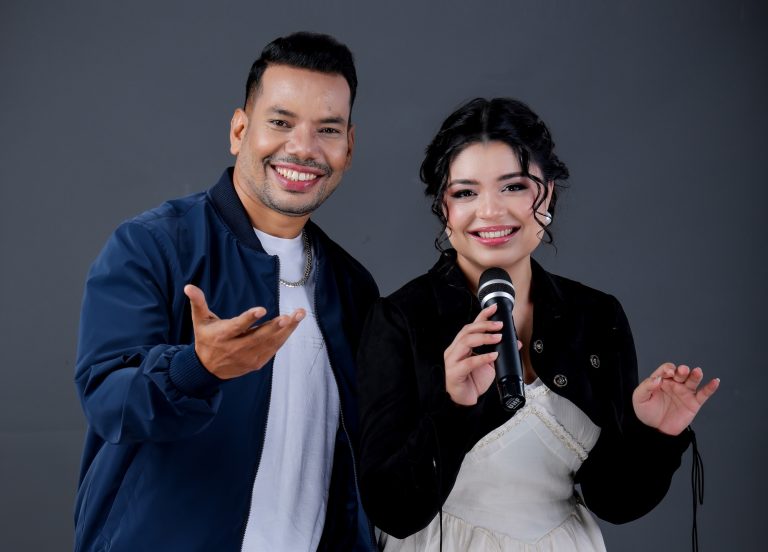
At the initiative of Suresh Sapkota, president of 3E Entertainment, the organizers have decided to send as much as $500 from each performance to the prime minister’s relief fund, Pariyar said.
“We are not trying to use this assistance as a means of publicity,” he said. “It is an effort to stand with Nepalis who are going through difficult times.”
The Aug. 26 floods and landslides caused extensive damage across Nepal, including in the Bhotekoshi-Trishuli river basin. More than 1,450 bodies have been recovered, while more than 5,000 people remain missing.
“We cannot take away the pain of those who have lost family members or those who have been left homeless,” Pariyar said. “But through our programs, we are trying to contribute even a small part to the government’s relief and rehabilitation efforts.”
New York Performance Set for Oct. 4
Pariyar and Adhikari will perform in New York on Oct. 4 at The Palace.
They are scheduled to perform in Akron on Oct. 2 and Columbus on Oct. 3 before arriving in New York. Each singer is expected to perform for about an hour in New York.
“I warmly invite all Nepali music lovers in New York to attend the program, exchange Dashain and Tihar greetings and enjoy the music,” Pariyar said.
Their first performance in the United States was the “Dashain-Tihar Fest” in New Hampshire on Sept. 26.
The event had initially been planned outdoors but was moved indoors because of rain. Despite the weather-related changes, Pariyar said, the audience turnout remained strong.
“We had to change the format of the event because of the rain,” he said. “But the audience was extremely enthusiastic. The Nepali community gave us tremendous love and support.”
Shiva Pariyar, a Veteran of Nepali Music
Shiva Pariyar is an established singer and playback vocalist in Nepal’s contemporary music industry. Born in Sarlahi, he developed an interest in music at an early age and began his musical career while still young.
He gained wider recognition after succeeding in Radio Nepal’s modern-song competition and went on to establish himself in the Nepali music industry.
He has recorded modern, pop, ghazal and film songs, with popular tracks including “Kaha Thiyau Timi,” “Dherai Choti Mare Ma Ta” and “Alikati Nazar Timro.”
Pariyar has performed in Britain, Australia, Japan, Europe and the Middle East, in addition to Nepal. This is his sixth visit to the United States, but he said this trip is different from his previous visits.
“In the past, I came to meet friends and participate in community events,” Pariyar said. “This time, I have come as a professional artist, inviting audiences to my performances.”
He thanked Suresh Sapkota, president of 3E Entertainment, and coordinator Prakash Sapkota for organizing the tour.
Samikshya Adhikari’s First U.S. Tour
For Samikshya Adhikari, the tour marks her first visit to the United States.
Adhikari rose to prominence with the song “Balapan Ko Umar” from the film “Nai Nabhannu La 4.” She has become a prominent singer of the younger generation through contemporary songs and film playback work.
For Pariyar, sharing a tour with Adhikari has also provided an opportunity to learn from a younger generation.
“Samikshya represents the new generation,” he said. “I am getting an opportunity to understand the thinking of today’s generation, their interest in music and their style of entertainment.”
Working with younger artists, he said, also provides an opportunity to keep pace with changes in the music industry.
“We always have to upgrade ourselves with the times,” he said. “This tour has given me an opportunity both to learn from the younger generation and to share my experience.”
Tax Obligations for P-3 Artists
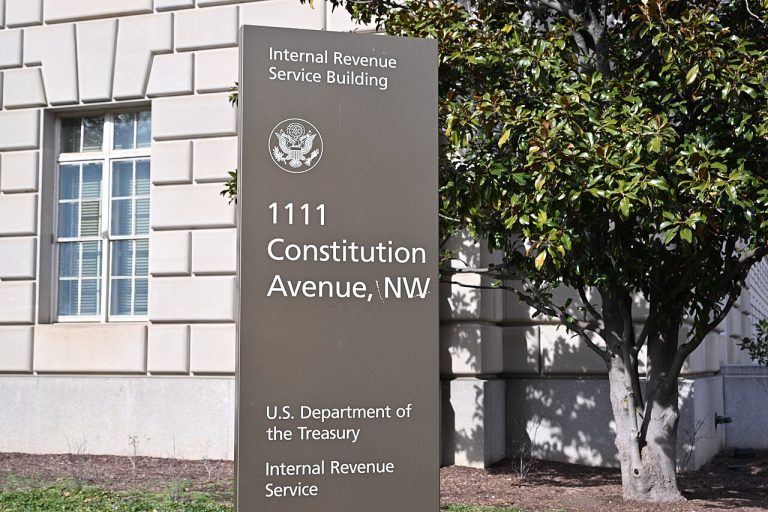
Artists who perform professionally in the United States on P-3 visas must also comply with U.S. tax rules.
According to Biraj Rijal, a New York-based CPA and tax specialist, artists working in the United States under P-3 visas must meet applicable tax obligations on income earned in the country.
Event organizers may generally be required to withhold up to 30 percent from payments to nonresident artists, Rijal said. Artists can later file the necessary tax returns and seek a refund if more tax was withheld than required.
P-3 visa holders may apply for Social Security numbers. If an artist does not have one, a taxpayer identification number may be used when required for tax filing.
Rijal said failing to file required tax returns on income earned in the United States could create problems in the future involving visas or travel to the country.
U.S. tax rules include separate withholding and reporting requirements for nonresident artists and entertainers who earn income from performances in the United States.
Lawyers Urge P-3 Artists to Follow Visa Conditions
As more Nepali artists travel to the United States, immigration lawyers are urging them to comply closely with the conditions of their P-3 visas.
According to Keshab Raj Seadie, a New York immigration attorney, P-3 visas are generally tied to a specific employer or organization. Artists are therefore permitted to work only for the employer, petitioner or approved program identified in their immigration filing.
“A P-3 visa is tied to a specific employer,” Seadie said. “Receiving compensation from a person or organization that was not included in the original application could constitute a violation of the visa conditions.”
If an artist needs to be paid by a new organization or employer, the new employer generally must file a new Form I-129 petition with U.S. Citizenship and Immigration Services and obtain approval, he said. Until that approval is obtained, the artist should not begin working for the new organization or receive compensation from it.
Immigration attorney Bashu Phulara similarly said P-3 artists and any essential support personnel must strictly comply with the terms of their approved petitions.
Before beginning work for a new or additional employer, or receiving any payment from that employer, a separate Form I-129 petition must be approved by U.S. Citizenship and Immigration Services, he said.
“Working before approval is received can be considered unauthorized employment and can affect a person’s immigration status and future eligibility for immigration benefits,” Phulara said.
The restrictions are not limited to employers. Seadie said performing at a location that is not included in an artist’s approved petition or accepting payment for performances outside the approved program could also raise visa-compliance issues.
In recent years, photos and videos of Nepali artists performing at private parties, restaurants and other informal events have circulated on social media, prompting immigration lawyers to urge caution. If a performance is not included in the original approved petition or authorized program schedule, artists may need to obtain the necessary approval before performing for compensation, the lawyers said.
Under USCIS rules, P-3 artists may work only according to the terms and conditions of their approved petition. If a U.S. agent has filed a petition covering multiple employers or programs and those engagements are included in the approved itinerary, the artist may work within that approved scope.
But if an artist wants to work for an entirely new employer that was not included in the original petition, a new petition may be required. Beginning work for that employer or accepting compensation before the new petition is approved can create immigration-related legal risks.