




USCIS to Raise Fees for Pending Asylum, TPS and Parole Applications and Related Work Permits

NEW YORK — U.S. Citizenship and Immigration Services will increase several immigration-related fees in fiscal year 2027 under the One Big Beautiful Bill Act, following a 3.36% increase in the Consumer Price Index for All Urban Consumers from July 2025 to July 2026.
The fee increases are scheduled to take effect Oct. 16, 2026, 15 days after publication of a notice in the Federal Register. USCIS said immigration benefit requests postmarked on or after that date that do not include the correct fee will be rejected.
The Federal Register notice, scheduled for publication Oct. 1, says the changes are required by H.R. 1, which mandates annual inflation adjustments to certain immigration fees. The law requires the Department of Homeland Security to use the percentage change in the CPI-U between July of the preceding year and July of the current year.
Fees That Will Increase
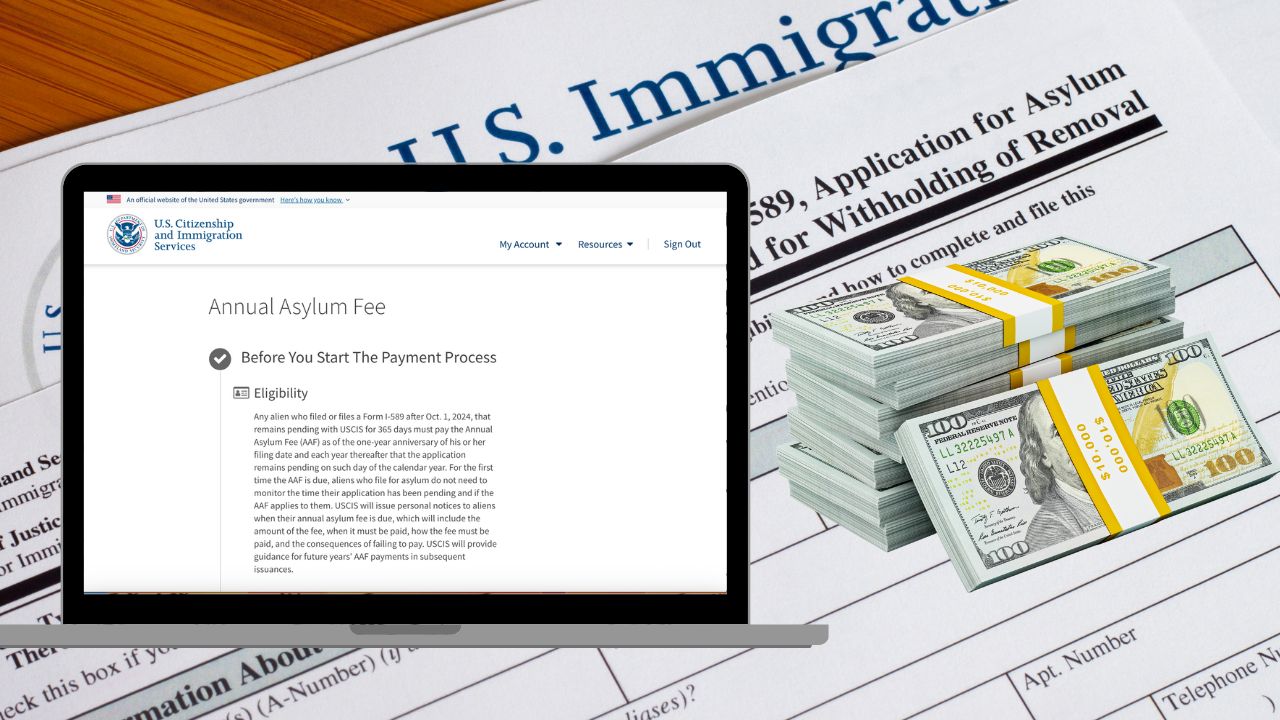
The annual fee for pending asylum applications will increase from $102 to $105, an increase of $3.
The initial employment authorization document fee for asylum applicants will increase from $560 to $570, an increase of $10. The initial EAD fee for parole beneficiaries will also increase from $560 to $570. The initial EAD fee for Temporary Protected Status applicants will rise from $560 to $570.
The TPS application fee on Form I-821 will increase from $510 to $520, an increase of $10.
The immigration parole fee on Form I-131 will increase from $1,020 to $1,050, an increase of $30.
Several other fees will remain unchanged. The initial asylum application fee on Form I-589 will remain $100. Renewal or extension fees for asylum applicant EADs will remain $275, while renewal or extension fees for parole and TPS EADs will remain $280. The re-parole EAD fee will also remain $280.
The Special Immigrant Juvenile fee on Form I-360 will remain $250, and the immigration fee on Form I-94 will remain $24.
How USCIS Calculated the Increases
The CPI-U rose from 323.048 in July 2025 to 333.918 in July 2026, an increase of approximately 3.36%. USCIS applied that percentage to fiscal 2026 fees and then rounded most amounts down to the next lowest multiple of $10, as required by H.R. 1.
The annual asylum fee is treated differently. The law requires that fee to be rounded down to the nearest dollar. As a result, the initial asylum application fee remains $100, while the annual fee for pending asylum applications rises from $102 to $105.
Some fees do not change because the inflation-adjusted amount remains within the same rounding range. For example, the $280 renewal fees for parole and TPS EADs would increase to $289.42 before rounding but remain $280 after being rounded down to the next lowest $10 increment.
Background of the Fee System
President Donald Trump signed H.R. 1, known as the One Big Beautiful Bill Act, into law on July 4, 2025. The law created new immigration-related fees, established minimum amounts for fiscal year 2025 and authorized annual inflation adjustments based on the CPI-U.
USCIS published the initial implementation notice in July 2025. DHS later announced a $1,000 immigration parole fee in October 2025, followed by the fiscal 2026 inflation adjustment in November 2025.
In April 2026, DHS issued an interim final rule explaining procedures for collecting the fees, including payment instructions, fee waivers, exemptions and the consequences of failing to pay. DHS issued a correction in July 2026 to restore text that had inadvertently been removed from immigration regulations.
Filing Deadline and Rejection Policy
USCIS will apply the new fees to immigration benefit requests postmarked on or after Oct. 16, 2026. Requests mailed before that date generally will be subject to the fees in effect when they are postmarked. Requests postmarked on or after the effective date must include the updated amounts.
USCIS said requests submitted with incorrect fees after the effective date will be rejected. DHS said the 15-day period between publication and implementation is intended to give the agency time to issue guidance and allow applicants, petitioners and other stakeholders to update filings already in preparation.
DHS said it may later codify the annual fee adjustments in 8 C.F.R. Part 106. The Federal Register notice is identified as 2026-20187 and was filed Sept. 30, 2026, for publication Oct. 1.