



Judge Rejects Trump Administration Bid to Pause Immigrant-Visa Ruling

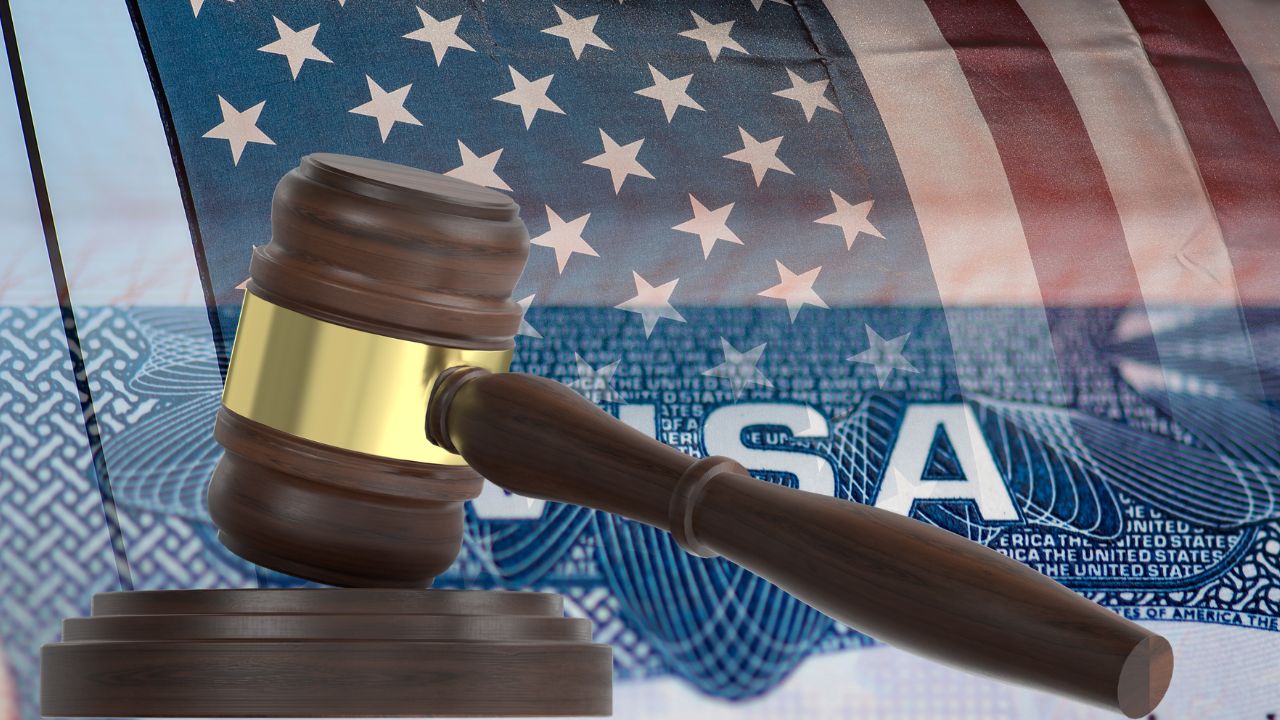
NEW YORK — A federal judge has denied the Trump administration’s request to pause a ruling that invalidated a State Department policy suspending immigrant-visa issuance to applicants from 75 designated countries.
U.S. District Judge Jeannette A. Vargas of the Southern District of New York ruled Sept. 25 that the government had not met the legal standard for a stay while it appeals her earlier decision in Catholic Legal Immigration Network Inc. v. Rubio, commonly known as the CLINIC case.
The ruling leaves in place Vargas’ earlier judgment setting aside immigrant-visa refusals based solely on the Jan. 14, 2026, policy and sending affected cases back to the government for further proceedings. The policy had categorically suspended immigrant-visa issuance to nationals of 75 countries.
If the government seeks to halt implementation of the judgment while its appeal proceeds, it must now ask the 2nd U.S. Circuit Court of Appeals for a stay.
Vargas previously ruled that the policy was unlawful, concluding that it violated the Immigration and Nationality Act’s prohibition on nationality-based discrimination in the issuance of immigrant visas.
“The balance of equities and the public interest weigh heavily against a stay,” Vargas wrote.
The judge said tens of thousands of immigrants had been left in “legal limbo” for about nine months despite complying with U.S. immigration requirements. The cases covered by the ruling involve applicants whom consular officers had already determined were admissible and eligible for immigrant visas and were not barred under the public-charge provisions of immigration law.
The government argued that the court should pause the judgment while it appeals, contending that courts generally cannot review visa decisions made by consular officers. It also argued that some cases could proceed to visa issuance before the State Department completes updated public-charge training and adjudication tools.
Vargas rejected those arguments, writing that the plaintiffs were challenging a departmentwide policy rather than individual visa decisions made at the discretion of consular officers. The doctrine of consular nonreviewability, she said, therefore did not bar judicial review.
The judge also found that the government’s claimed harms were speculative. She noted that the administration’s plans to conduct broad reevaluations — including possible new public-charge reviews, additional interviews and layers of review — were not required by the court’s judgment.
“Those burdens arise from policy decisions independently made by the Executive Branch,” Vargas wrote.
Vargas said a stay would cause significant and irreparable harm to immigrant families who have already endured months of separation.
The order cited the case of a U.S. citizen whose wife and 2-year-old daughter have been stranded in Guatemala since traveling there for a consular interview in January. The daughter, who has Turner syndrome, has missed medical appointments with specialists in New York while remaining abroad, the court said.
Vargas also cited the case of a U.S. citizen whose 70-year-old mother has remained in Jamaica since January after returning there for her consular interview. The mother, who had lived in the United States for decades, has been unable to obtain adequate health care in Jamaica, according to the order.
The judge said allowing the policy to remain in effect during the appeal would not serve the public interest.
“For these reasons, the Court DENIES Defendants’ motion to stay pending appeal,” Vargas wrote.